Jambezi brick moulders navigate environmental concerns while sustaining livelihoods
Victor Sibanda
Jambezi, Hwange District — The vibrant brick-moulding industry in Jambezi community is providing a lifeline for many young people, offering a much-needed alternative to unemployment in the face of economic challenges. However, the rapid growth of this sector has raised concerns among environmentalists about its potential impact on the local ecosystem.
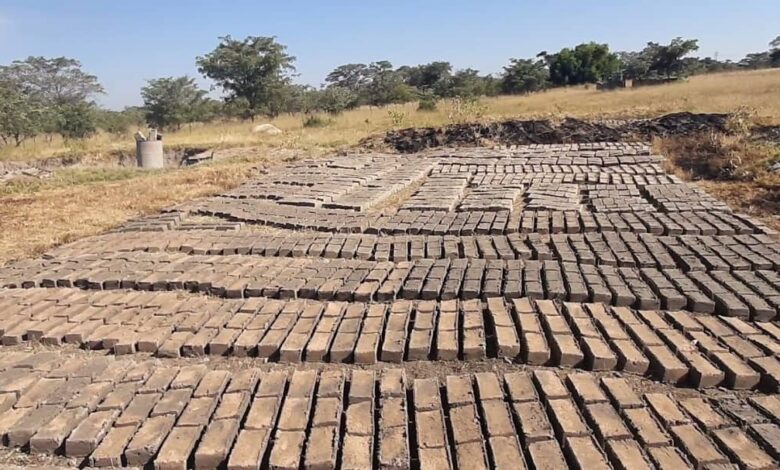
Local residents, such as Nicholas Ncube from Takazwipila Village, have turned to brick-moulding as a primary source of income. The business, which is particularly lucrative during the dry winter season, involves extracting clay from the ground, molding it into bricks, and then firing them in kilns using a substantial amount of firewood.
While the industry has provided a boost to the local economy, environmental experts are concerned about the unsustainable practices employed by some brick-moulders.
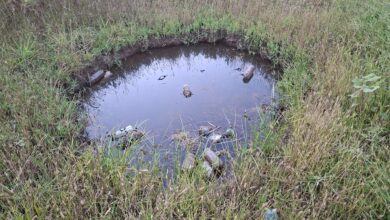
Deforestation is a significant issue, as large trees are felled to provide the firewood needed for the firing process. Additionally, the excavation of clay can leave unsightly pits in the landscape, contributing to soil erosion and habitat destruction.
Josphat Shoko, a long-time brick-moulder, acknowledges the environmental impact of his work but emphasizes that it is his only means of supporting his family.
“While I am aware of the need to conserve trees,” he explained, “the economic necessity of brick-moulding often outweighs environmental concerns.”
Chikandakubi Ward Councillor, Peggy Ncube, recognizes the importance of the brick-moulding industry to the local community but stresses the need for environmental education.
“They are doing well in income-generating activities,” he said. “I believe that by working together with stakeholders, we can educate them on the value of conserving the environment.”
Environmentalist, Pride Ncube, echoes these sentiments, calling for more sustainable approaches to brick-moulding.
“Big trees are cut down for firewood that is used to burn the bricks,” he noted. “This is clear deforestation. I noticed in some places that the land is excavated leaving pits all over. There is a need to teach them sustainable ways of doing their activities in the environment.”
Environmentalist Ncube went on to urge local brick makers to switch from using wood to coal dust or coke from the nearby coal mine as fuel for their kilns.
“I suggest that the brick makers use coal dust to burn their bricks instead of wood,” Ncube said. “Coal burns steadily and they can achieve their desired output. This will certainly reduce deforestation.”
However, brick maker Shoko expressed concerns about the high cost of acquiring and transporting coal dust to their community.
“The idea is noble,” Shoko noted, “but I am afraid it is expensive to buy and transport the material to our community.”
As the demand for bricks continues to grow in Jambezi, it is imperative that the industry finds a way to balance economic development with environmental protection. By promoting sustainable practices and investing in education and awareness, the community can ensure a prosperous future that benefits both people and the planet.