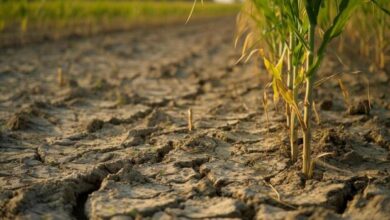
Nkayi, Lupane in the grip of brutal drought
Siyabonga Moyo
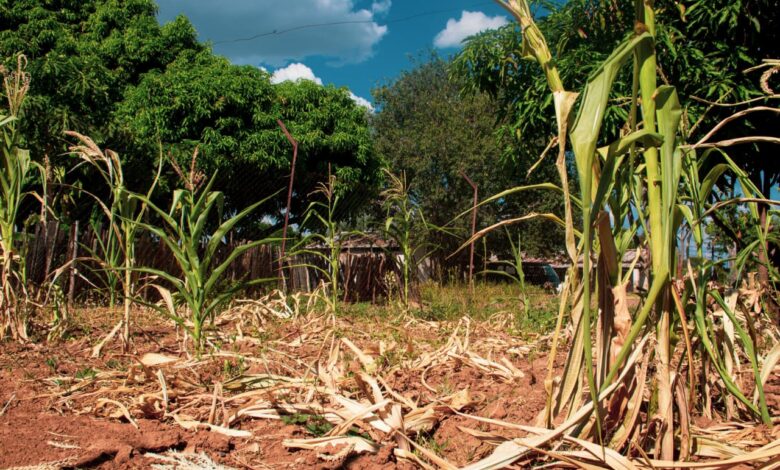
A relentless dry spell has scorched Matabeleland, casting a long shadow of fear over subsistence farmers who face an imminent drought. With crops withering under the unrelenting sun and temperatures soaring, residents in hard-hit Nkayi and Lupane districts are sending a desperate plea for help.
Their message is clear: the government and food aid organizations must act swiftly to provide both financial assistance and food aid throughout the year. This year’s harvest looks grim, pushing families to the brink. Farmers, like Noel Ndlovu from Nkayi’s Dakamela area, are resorting to desperate measures.
“Our fields are a heartbreaking sight,” said Ndlovu, a respected figure known for his sound farming practices. “The scorching heat is decimating our crops. With such a poor harvest, our children’s education hangs in the balance. Every penny we have will go towards putting food on the table. We need the government to step in with financial and food assistance before things get any worse.”
Lupane echoes the same anxieties. Thulisani Nkomo, the PR Councillor from Shabula Village, fears the Department of Social Welfare is facing a monumental task. “We’re in double jeopardy,” he explained. “Even our drought-resistant small grains have failed. This means near-zero food security across the board. To make matters worse, our shallow dams, which normally sustain livestock in dry years, are already drying up in March! Pastures are parched, and we’re staring down the barrel of heavy livestock losses by year’s end. Our existing boreholes simply can’t handle the combined needs of people and animals. We desperately need help expanding our dams’ water capacity and drilling more boreholes per ward.”
Mthulisi Moyo, another Nkayi farmer from Jabulisa, adds his voice to the chorus of concern. “We anticipate a steep rise in basic commodity prices in the coming months. This, coupled with low rural employment rates, creates a perfect storm for hunger and hardship. We implore all responsible authorities and organizations to prioritize food aid programs and livestock feeding schemes. These interventions are critical to alleviate suffering in our communities. I also urge fellow farmers to consider selling some livestock to purchase feed for the rest. This will help us minimize losses throughout the year.”
The lack of readily accessible water sources for both humans and livestock is a perennial problem in Matabeleland. While organizations like World Vision and Amalima Loko are making commendable efforts by drilling solar-powered boreholes, particularly in Nkayi, the need for more sustainable solutions like dams and additional boreholes remains acute. Addressing this critical issue is vital for bolstering food security through sustainable farming and animal husbandry practices.