Bulawayo youths urged to take leading role in environmental justice as risks increase
By Nobukhosi Ndlovu
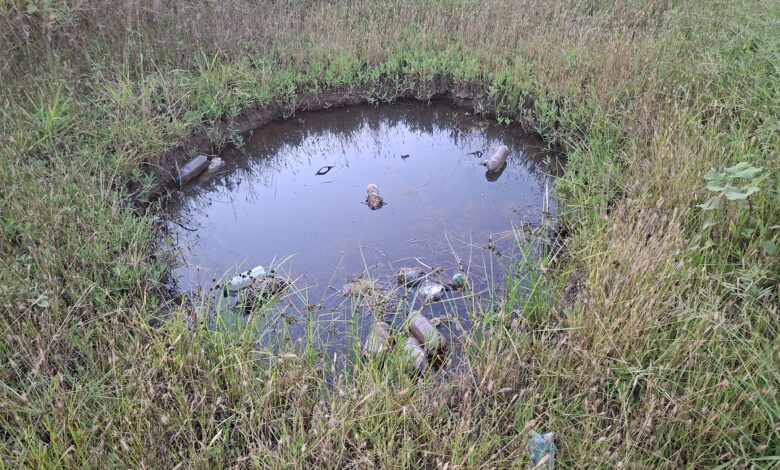
Young people in Bulawayo are being encouraged to take a more active role in protecting wetlands as environmental experts warn that continued degradation of these ecosystems could worsen environmental problems and lead to biodiversity loss in the city.
The call comes amid growing concern over the destruction of wetlands through illegal dumping, land clearing and unregulated construction, activities that experts say would lead the next generation to inherit a degraded environment.
According to Dr Wayne Malinga, a Development Practitioner that led a presentation during a workshop convened by the Environmental Management Agency last week, wetlands play a critical role in filtering water, recharging underground supplies and absorbing excess rainfall. However, many residents remain unaware of their importance, often viewing them as unused land suitable for housing or waste disposal.
Dr Malinga also pointed out the key roles young people play in wetland conservation, which include advocacy, active restoration and conservation. “Young people are tech savvy and those skills can help in enfostering technological innovation and monitoring.” He added, highlighting how such activities also give them the opportunity to form connections and networks across the globe, engaging in international conversations that promote sustainable livelihoods.
Many voices in the discussion echoed the sentiments Dr Malinga laid on the table, pointing out the strengths young people have but are not using effectively. “Young people are in a position to influence their peers and that makes them powerful agents of change in environmental protection.”
Naledi, one of the EMA facilitators also emphasized the need for Bulawayo youths to step into action and learn more about environmental related issues.
“The youth might be laid back, thinking these environmental matters have nothing to do with them, but one day, they’ll also inherit this environment we are advocating for and they’ll also inherit these problems we are trying to address,” she said.
Experts at the meeting emphasised that protecting wetlands is central to meeting global commitments, but warned that success will depend mostly on local action and community participation.
They argued that involving young people in conservation programmes, school environmental clubs and community outreach can help bridge the gap between policy strategies and action on the ground.
“Volunteer for the environment, not the agencies.” Mrs Chipo Mpofu Zuze, EMA Provincial Manager of Matebeleland North said, advising the young people and the stakeholders to create their own opportunities instead of sitting on their hands and waiting for someone to give them work.
These discussions were part of a workshop convened by the Environmental Management Agency (EMA), which reviewed Zimbabwe’s commitments following last year’s COP15, where countries agreed to strengthen efforts to protect ecosystems and halt biodiversity loss.
Community Podium is the recipient of the 2025 Outstanding NGO Reporting Award. This reflects our dedication to amplifying community voices and advancing public-interest journalism.