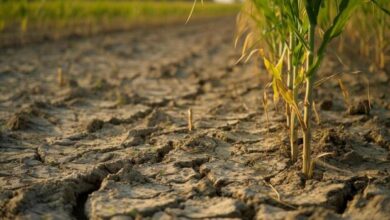
Zim’s communities on the front lines of climate change

Peter Moyo
Droughts scorching crops, erratic rainfall wreaking havoc on planting seasons – climate change is battering communities, and experts warn time is running out. A recent online discussion hosted by Community Podium unpacked the crisis and offered a glimmer of hope through practical solutions.
Sibhekisiwe Dlomo, an agriculturalist from Matabeleland South, painted a stark picture. “For years, climate change has been hammering our communities,” he said, highlighting how intensified droughts are decimating livestock and crops. Dlomo emphasized Zimbabwe’s extreme vulnerability – scorching heatwaves, destructive storms, and unpredictable rainfall all threaten agriculture, the lifeblood of most rural Zimbabweans.
But amidst the crisis, the discussion focused on ways to fight back. Dlomo championed “climate-smart” solutions like irrigation and conservation tillage. He underscored the urgency of adopting small grains better suited to the new climate, and reviving natural resources through woodlot and range-land restoration.
Paddington Mandizvidza, another speaker, stressed the power of collective action. “Community-driven plans are essential for survival,” he declared. Educating communities and farmers is paramount, alongside implementing strategies like building sand dams and using intensive irrigation. Mandizvidza highlighted the importance of restoring degraded wetlands, crucial for healthy soil.
The discussion acknowledged the challenges of wetland revival, but Mandizvidza offered a multifaceted approach to managing El Niño’s wrath in Southern Africa. This includes better weather forecasting, sustainable water management, and promoting drought-resistant crops alongside improved soil management techniques. Experts underscored the importance of regional cooperation – sharing resources, knowledge, and strategies can bolster Southern Africa’s collective fight. Humanitarian aid and organizations like the FAO can play a vital role in addressing the looming food security crisis.
Dlomo lamented human activities that exacerbate the crisis: “Industrial emissions, deforestation, poor waste management, and land degradation are all adding fuel to the fire.” Drip irrigation was offered as a water-saving solution, but Dlomo cautioned that proper training is essential for its effectiveness.
The discussion mirrored the goals of Zimbabwe’s National Climate Policy (2018). The policy aims to establish legal frameworks to regulate businesses and reduce greenhouse gas emissions. It also focuses on adaptation strategies to support rural communities and their agricultural practices.
Climate change presents a formidable challenge, but Zimbabwe is not without hope. By embracing climate-smart practices, fostering community involvement, and implementing effective national policies, the nation can build resilience and secure a more sustainable future