Bajila calls for funded health posts, better pay to curb workforce shortages
Staff Writer
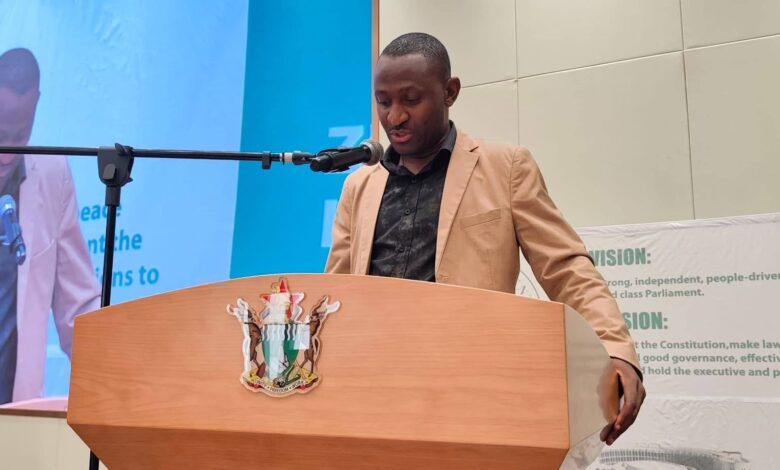
NYANGA, November 9, 2026 — Hon Discent Bajila has called on Zimbabwe’s Health Service Commission to produce a fully funded recruitment plan and improve health workers’ pay and conditions, warning that unfunded or vacant posts will not improve healthcare delivery.
In an address to the commission’s strategic review and performance planning workshop in Nyanga, Bajila said workforce shortages, uneven distribution of staff and migration of professionals must be addressed if Zimbabwe is to make progress towards universal health coverage by 2030.
The commission’s 2026–2030 strategic plan proposes creating approximately 26,716 additional Ministry of Health and Child Care posts over five years and increasing annual health professionals’ training output to 7,000, according to Bajila.
“Creating posts, funding posts, recruiting professionals, and deploying them are different stages of workforce expansion,” he said.
“A post that remains unfunded or vacant does not improve healthcare delivery.”
He urged the commission to report how many posts had been approved, funded, advertised and filled, as well as where health professionals had been deployed.
Bajila also questioned progress on remuneration, citing an estimated US$895 transfer wage referenced in the plan from the 2022 Health Labour Market Analysis. He asked whether that figure had been attained or updated to reflect current economic conditions and the cost of living.
He sought clarity on how 5,000 health workers would be selected for a proposed critical skills retention scheme, which the plan envisages paying an average of US$120 a month. The scheme should not create unjustified disparities among professionals doing comparable work, he said.
The strategic plan aims to increase the proportion of health workers serving in rural areas from 23.5% to 32% by 2030.
Bajila said national averages could conceal inequalities between provinces and districts, and proposed measuring staffing against population size, facility workload and disease burden.
He called for accommodation, transport, hardship allowances, professional development and essential equipment to make rural deployment sustainable.
Bajila also urged the commission to set measurable targets for occupational health and safety, including access to protective equipment and psychosocial support. It should report on the implementation of agreements with workers, not merely the number of dialogue meetings held, he said.
For village health workers, he recommended a funded framework covering employment status, remuneration, training, supervision and social protection.
The commission should publish annual workforce performance reports and a public scorecard tracking progress against its commitments, he added. It should also ensure transparent governance and reporting for a proposed US$25 million vehicle loan revolving fund.
“Zimbabwe cannot achieve Universal Health Coverage without a strong, adequately staffed and properly supported health workforce,” Bajila said.
Community Podium is the recipient of the 2025 Outstanding NGO Reporting Award. This reflects our dedication to amplifying community voices and advancing public-interest journalism.