Young women confront corruption in health sector under Africa Inclusion Project
By Nobukhosi Ndlovu
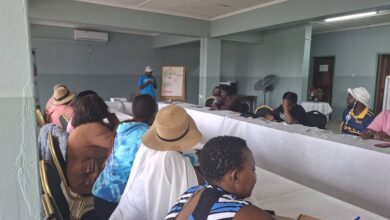
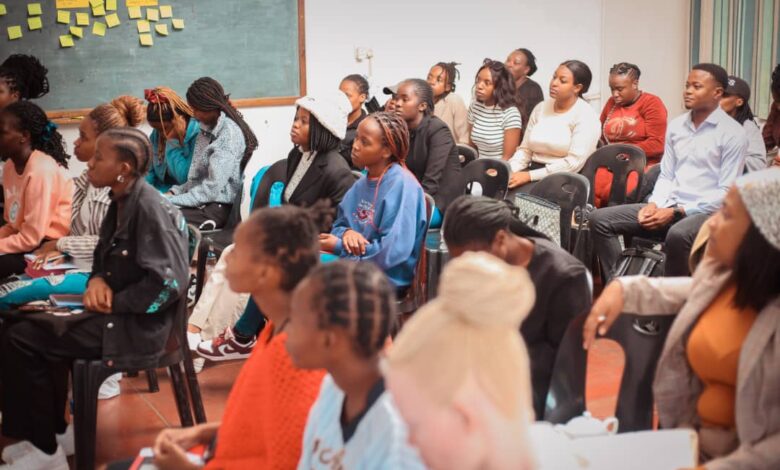
Young women in Bulawayo gathered on Friday the 14th of November 2025 to discuss growing concerns about corruption in Zimbabwe’s health sector.
During a workshop held under the Inclusive Service Delivery in Africa Project, one of the hosts of the workshop, Jacqueline Sibanda explained that the project is an initiative aimed at improving integrity and reducing corruption in the healthcare system.
The project, implemented by Youth for Innovation Trust, Dot Youth, and Transparency International Zimbabwe aims to strengthen adequate service delivery in public health systems, and promote inclusivity for women, young people and persons living with disabilities.
According to Thando Gwinji, the initiative was inspired by the Youth for Innovation Trust’s commitment to holding annual conventions that give young women space to engage on issues affecting their lives. “This year’s focus was on health,” she explained, noting that the organisation partnered with Transparency International Zimbabwe following the release of its recent Corruption Risk Assessment on the health and education sectors.
Dot Youth was also brought on board because of its longstanding work on health issues among young people. Gwinji added that planning the convention came with challenges, particularly in trying to secure participation from key institutional offices. “It is often difficult to get hold of the specific offices you need in order to hold them to account,” she said. “Nonetheless, we worked with those who agreed, and we hope that over time, bigger offices will come to the table and take young women’s issues seriously.”
Participants were invited as the workshop commenced to describe their vision for an ideal health sector. One young woman summed it up clearly by saying, “the healthcare sector must provide free and fair service to everyone, regardless of financial status.”
During the convention Gwinji unpacked the major corruption risks affecting Zimbabwe’s health sector. Her presentation drew from a recent Transparency International Zimbabwe corruption risk assessment, which examined vulnerabilities in the country’s education and healthcare systems.
She detailed how bribery for access to healthcare services forces patients to pay unofficial fees to receive treatment and to fast track healthcare attention deepening inequality and indirectly affecting young women.
“The diversion of medicine from the proper channels is part of the corruption in the health sector,” Gwinji said, explaining that drug theft and diversion, where medication meant to be provided for free at clinics is stolen and sold privately, leaves facilities without essential supplies. She also pointed to corruption in procurement, where contracts for supplies or equipment are awarded through bribery or favouritism, resulting in low quality materials and inflated costs.
Other risks included embezzlement and misuse of health funds, which erode service quality, and extortion or illegal charging, where patients must pay extra for services that are supposedly free. She also raised concerns about sextortion, where sexual favours are demanded in exchange for care, and manipulation of data records, such as drug inventories and patient files, to conceal wrongdoing or inflate performance reports.
“Corruption affects women’s health in a very critical capacity because malpractice in healthcare institutions may have impacts that lead to death,” Gwinji said, elaborating on the impacts of corruption in the health care sector.
“This is my story and my voice in demanding fair access to healthcare,” Jacqueline Ndlovu expressed as participants in the workshop shared real life experiences, including being referred to private pharmacies for medicines that should be free and instances of discrimination in sexual and reproductive health services. Young women with disabilities raised concerns about inaccessible communication formats and the absence of sign language interpreters or Braille information, leaving many unable to navigate the health system.
A panel discussion brought together key stakeholders who weighed in on the impacts of corruption and the pathways for reform.
The panelists included a representative from the Zimbabwe Anti-Corruption Commission (ZACC), an Inspector of Police, a representative from the Ministry of Health and Child Care and an Alderman Councillor from the City of Bulawayo.
Together, they highlighted the gaps that enable corruption, and stressed the need for tighter monitoring systems, comunity oversight and stronger reporting channels.
When posed with the question in regards with the City Council’s plan in terms of infrastructure development in order for every clinic to have a waiting shelter for women, Councillor Sikhululekile Moyo highlighted that the 21 clinics in the city are indeed few for women. “We are expecting to have a maternity in Cowdray Park and Mngwanwini. We are expecting that as we grow, we have maternity clinics.” She said.
The session gave the young women a platform to express themselves, and they approached it with zeal and insight. They asked about the current status and implementation plans for the Whistleblower Protection Act, questioned how strong the rules are for people in authority when caught engaging in corruption, and raised concerns about whether healthcare workers are adequately trained to support persons with disabilities.
One participant stressed the need for the Ministry to prioritize mental health, instead of focusing simply on anti-drug campaigns, and to investigate the reasons why young people turn to drugs. Their questions revealed a deep understanding of the challenges in the health sector and demonstrated how empowering youth to speak up can raise awareness and drive meaningful change.
“Sextortion in other words is indecent assault,” Inspector Nomalanga Msebele said as she took to podium, explaining that people are not coming forward to report the assault specifically in healthcare centers. She stressed on the public to go to police station and report such cases in order to reduce vulnerability of women in medical institution
Towards the end of the workshop, participants put forward several key recommendations aimed at addressing corruption and improving inclusivity in the health sector. They called for gender sensitive policies to ensure that the challenges faced by women and girls are recognized and addressed.
The use of AI tools was suggested as a way to track patterns of corruption more efficiently and increase transparency in the systems. Strengthening the Whistleblower Protection Act was also emphasized, so that individuals feel confident and safe in reporting corrupt practices. The young women also stressed the importance of raising awareness within communities and health institutions to educate both healthcare workers and the public on ethical standards, integrity, and the rights of patients.
Organisers said the insights gathered will inform ongoing advocacy under the Inclusive Service Delivery in Africa Project, with the goal of pushing for a more effective, inclusive and youth responsive health system in Zimbabwe.