SWAZ and ZIFA team up to reshape sports media narrative

By Nobukhosi Ndlovu
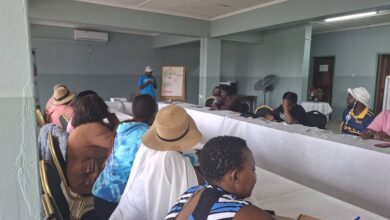
The Sports Writers Association of Zimbabwe (SWAZ) and ZIFA recently held a workshop which brought together football administrators and journalists to strengthen communication and promote more accurate, ethical and inclusive sports reporting.
During the workshop which was held at the ZITF grounds, in Bulawayo, on Wednesday the 19th of November 2025, SWAZ President Farayi Machamire said the collaboration was inspired by a long-standing gap between the media and football authorities.
“We saw a clear need to repair communication between ZIFA and the media,” he said. “Journalists often work with limited access to technical information or simple clarifications. When the new ZIFA leadership showed willingness to open up, we felt it was the right time to rebuild trust. This workshop is the first step toward a structured, predictable relationship where information flows freely and everyone benefits.”
ZIFA Media and Communications Officer, Thabani Moyo then explained that their goals with this initiative are to professionalise football media across Zimbabwe, improve the accuracy and depth of coverage, equip journalists with modern football knowledge, strengthen relations with SWAZ, and align reporting with national football development objectives.
ZIFA officials also put emphasis on the message, noting that misunderstandings often arise because journalists rarely have direct access to technical departments.
Ronald Moyo, Vice Chair of the Media and Marketing Committee, reminded writers that assumptions can lead to false reporting. “Sometimes, as people of the fourth estate, we assume that we know the laws of the game,” he said, emphasizing on how big the gap between sports administration and the media is.
Machamire said the workshop aimed to close these gaps. “Club licensing, technical pathways and officiating standards are always evolving, and journalists need direct access to the officials who manage these areas,” he explained. “Better relationships with ZIFA officials mean quicker clarifications, fewer misunderstandings and stronger reporting for the audience.”
The training included presentations from ZIFA Technical Director Dominique Niyozima. Niyozima explained that the Technical Director’s office oversees the long term development plan which includes coaching education, youth development, talent identification and technical standards. His session gave journalists a clearer understanding of how administrative decisions shape football philosophy and competitiveness.
The workshop also covered a session on sports commercialization led by Mark Ruck, a ZIFA representative and an overview of the laws of the game by Sabelo Maphosa, a former referee. She stressed the central role the media plays in shaping public knowledge about football. “The media will always be the link between the game and its stakeholders. People will always believe what the media writes that’s why the media needs to be objective in their reporting and use the laws correctly,” she said.
Maphosa then added that clarity helps reduce unnecessary conflict in public discourse. “Knowledge empowers the holder. If everyone knows what the law says and the spirit behind it, then we do away with opinion, because opinion will always divide people.”
Journalists who attended said the practical insights would help shift their coverage from reactionary reporting to informed analysis.
The workshop also opened a door to a much broader conversation, the role of sports media in shaping attitudes, breaking stereotypes and influencing gender representation.
Machamire noted that improved understanding of football structures broadens the range of stories journalists can tell. “It widens the types of stories we can produce,” he said. “Instead of reacting to crises, journalists can cover development, governance, commercial issues, women’s football and the wider football ecosystem. The result is more balanced and informed reporting.”
The call for fairer representation was emphasized by senior sports journalist Lee Mangena, who highlighted the marginalisation of women and youth sports when asked about the gaps that are there on sports reportage, specifically youth and gender inclusion. “They are very wide. Youth and women’s sport is considered not commercial enough by the major media houses,” he said. “Of course they are in business, but it is high time all types of sports are covered equally.”
He added that journalism can play a transformative role. “Sports journalism, by highlighting the current imbalances, could and can influence change,” he noted.
Mangena emphasized that informed reporting is the foundation, “For one to cover football games and fully inform our audiences, one has to fully understand the game. You cannot cover football when you only understand 60 percent of it.”
He acknowledged that the media landscape is gradually opening up, with smaller platforms widening coverage. “Sports journalism has widened over the years, with smaller media platforms coming up. Now almost every sport at any level is finding space,” he said.
Machamire reinforced that sports media significantly shapes how society views women in sport. “If coverage of women’s football is shallow or inconsistent, the public treats it the same way,” he said. “When journalists give women’s sport the same attention and seriousness they give the men’s game, it shifts attitudes. Our job is to report based on performance and merit, not old stereotypes.”
As the workshop ended, participants agreed that informed reporting is not just about improving accuracy, it is also about ensuring an honest and fair reportage.
For many attendees, this gathering marked the beginning of a new relationship with football authorities and a new chapter in Zimbabwean sports journalism, one where stronger technical knowledge supports stronger, more inclusive storytelling.