Resurrecting CAMPFIRE: A path to community empowerment

Providence Moyo
Experts in community development have urged the government and rural communities to work together to resurrect Communal Areas Management Programme for Indigenous Resources (CAMPFIRE) in the Matabeleland region to ensure that locals benefit from natural resources.
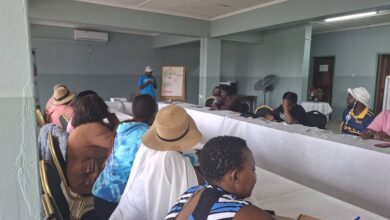
The call was made during a two-day workshop that was held at Mpala Events in Bulawayo with different stakeholders that include government, private sector and government partners ahead of the 28th Conference of Parties (COP28) which will be held in Dubai, United Arab Emirates from 30 November-12 December 2023.
Speaking on the sidelines of the event, development practitioner and senior lecturer within the department of Development Studies at Lupane State University, Dr Wayne Malinga said it is crucial for campfires to benefit communites than a merely exist.
“CAMPFIREs must be revived and be capacitated to be able to be at the centre of negotiations that happen around natural resources in their respective jurisdictions because without them on board natural resources will be exploited and depleted without any returns for the community. Presently, communities in Matabeleland are being exploited. There is timber in Lupane but the community is not benefiting from that.The timber is ferried by lorries that further destroy the roads, yet there is no benefit for the locals.
Tsholotsho has trophy hunting but there are no checks and balances to ensure accountability and transparency. CMPFIRES must intercede between the leaders who are responsible for the hunting of elephants and the community who are the owners of the elephants because by right, communities must know what happens to their resources,” said Dr Malinga.
In an exclusive with Community Podium, Zimbabwe climate Council Interim chairperson Fortune Chasi concurred with Dr Malinga, adding that the private sector should ensure that when they do negotiations to buy natural resources, the rural communities benefit.
“There is need for the involvement of the private sector as they have an interest in these natural resources to ensure a mutually beneficial process through effective corporate social responsibility because at the moment, there is exploitation of community members. Communities are not aware of this anomaly because they do not even know that they have full ownership of those resources,” said the former Energy Minister
CAMPFIRE was developed by ecologists in the research branch of Zimbabwe’s Department of National Parks and Wildlife Management in the early 1980’s to address the problems of communal ownership under conditions of rapid population growth and declining resource availability.