Parliament Hears Urgent Call for Mental Health Bill as MP Warns of Youth Drowning in Silence
Parliamentary Watch
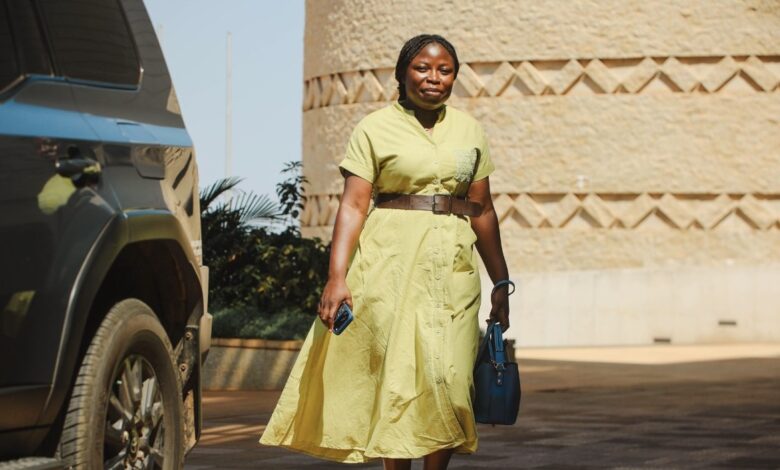
HARARE — A legislator used the floor of the National Assembly on Tuesday, 10 November 2026 to issue an impassioned plea for Zimbabwe to accelerate the passage of the Mental Health Bill, warning Parliament that the country’s young people were suffering in silence while the nation chose not to listen.
Hon. Nyelele told Parliament that President Mnangagwa’s mention of the Mental Health Bill in his State of the Nation Address (SONA) had been a single line in a lengthy speech and that she was rising to ensure it did not remain a footnote in national policy.
“It was one short line in a long address. I rise to make sure it does not remain a short line in our national priorities,” Nyelele said.
Drawing on the everyday greeting shared in Ndebele livuke njani, how did you wake up she told Parliament that the standard response of sivuke kuhle, we are well, masked a crisis of mental suffering among young Zimbabweans who would never admit to struggling.
“Behind that greeting are young people who do not wake up feeling well. There are graduates who have sent hundreds of applications and received no reply. Young mothers alone with newborn babies but the fathers are nowhere to be found; young men who turn to mutoriro and bronchleer not because they feel good about it but do it to feel nothing,” Nyelele said.
“Indeed, our young people are not lazy but tired and many are silently drowning.”
The crisis she described resonates sharply in Bulawayo and Matabeleland, where youth unemployment is severe following decades of deindustrialisation and where the abuse of cheap intoxicants including bronchlear cough syrup and the locally produced spirit known as mutoriro has been widely documented. Drug and substance abuse has emerged as one of the defining social challenges facing the region’s youth.
Nyelele proposed three concrete measures: a friendship bench placed in every secondary school, college, and university; a free, 24-hour youth helpline staffed by trained counsellors who speak local languages; and the introduction of the Mental Health Bill without further delay, with a dedicated chapter on young people.
She pointed to the friendship bench model pioneered in Zimbabwe where trained community grandmothers counsel those in distress from simple wooden benches as proof that Zimbabwe already had the blueprint to address the crisis. The model has since been adopted in countries from Kenya to the United States.
“The world borrowed the friendship bench from Zimbabwe. It is time we bring it back home to our children,” Nyelele said.
Mental health infrastructure in Zimbabwe is severely under-resourced, with the country having a handful of psychiatrists serving a population of over 16 million people.
Bulawayo’s Ingutsheni Central Hospital remains the principal psychiatric facility serving the entire Matabeleland and Midlands region, often operating beyond its capacity. Access to counselling services in rural areas is virtually non-existent.
The Mental Health Bill, once passed, would create a legal framework regulating mental health care, patients’ rights, and the obligations of the state to provide services, a framework Zimbabwe currently lacks.
Community Podium is the recipient of the 2025 Outstanding NGO Reporting Award. This reflects our dedication to amplifying community voices and advancing public-interest journalism.