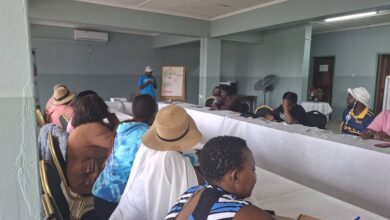
Jibajiba villagers struggle amid escalating prices

Thembelihle Mhlanga
The once vibrant community of Jibajiba in Lupane is now grappling with the harsh realities of an ailing economy. Rising prices of basic commodities have left villagers in dire straits, struggling to make ends meet. As the sun sets over this rural landscape, the stories of hardship echo through the thatched huts and dusty pathways.
At 75 years old, Nomusa Ndlovu bears the weight of widowhood and the responsibility of caring for her three orphaned grandchildren. Her lined face reflects years of resilience, but her eyes reveal the pain of daily survival. “It’s hard,” she says, her voice trembling. “The prices keep going up, and my pension barely covers our needs. We skip meals to stretch what little we have.”
Dumisani Songo, a street vendor known for his tireless hustle, now faces empty streets and indifferent customers. “No one is buying,” he laments, gesturing toward his unsold wares. His once-bustling market stall now stands deserted. “How can I provide for my family when my trade has dried up?”
Phathekile Ncube’s family has adjusted their eating habits out of necessity. “We used to have three meals a day,” she says, her hands kneading maize meal for the evening’s sadza. “Now, it’s just one meal. We’ve cut back on everything – vegetables, meat, even tea. The prices are too high.”
Jibajiba Ward Councilor, Zibusiso Jazi, paints a grim picture of life in the community. “Our people are suffering,” he declares. “The economy has hit us hard. Jobs are scarce, and even those lucky enough to find work struggle to make ends meet. Families are falling apart.”
The situation in Jibajiba Ward mirrors the broader economic crisis facing Zimbabwe. Persistent inflation, dependence on low-productivity agriculture, and intermittent shocks have pushed many families to the brink. With El Nino, weather conditions exacerbated existing vulnerabilities, plunging more Zimbabweans into extreme poverty.
The World Food Program said in January 2024 there are above 2.7 million people in Zimbabwe who will need food aid following the lean farming season induced by El Nino weather conditions.