Cactus cultivation: A game-changer for drought-resilient livestock farming

By Jonah B Moyo
Farmers in drought-prone areas are advised to consider growing Cactus, a drought-resistant crop that retains moisture and serves as an excellent feed source for livestock during dry spells.
A cactus plant is a type of succulent plant that has adapted to survive in arid environments with limited water availability. Cacti (the plural form of cactus) are characterized by their thick, fleshy stems and leaves that store water, enabling them to thrive in hot and dry conditions.
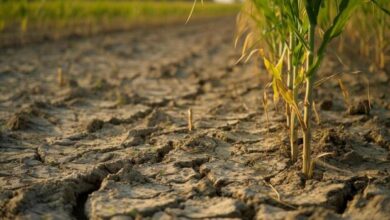
Climate change is causing rivers and dams to dry up prematurely, depleting grazing lands and devastating livestock production, resulting in significant animal deaths. However, spineless cactus offers a lifeline, as its water-storing properties enable livestock to survive during droughts.
In an interview, Givious Sisito, Chief Research Officer in the Department of Livestock Research at Matopos Research Institute, stated that the cactus plant is a key component of the Climate Smart Agriculture initiative.
“The cactus plant is a remarkably resilient species that can thrive in harsh climate conditions, making it an ideal crop for areas affected by climate change. Its ability to store water and withstand droughts positions it as a valuable resource for farmers facing environmental challenges.
“By leveraging the cactus’s adaptability and hardiness, farmers can potentially mitigate the impacts of climate-related stressors on their livelihoods. As a result, the cactus plant offers a promising solution to the challenges faced by farmers due to climate change, providing a sustainable option for agricultural productivity and food security,” he said.
“Recently, farmers have suffered significant livestock losses due to El Niño-induced drought, leaving them struggling to cope with climate change. However, we have identified a solution, growing cactus plants on a portion of their farms.
“This provides a sustainable feed source for livestock during droughts, helping farmers build resilience and adapt to climate-related challenges,” he said.
He also highlighted that in 2016, the institution initiated cactus production with the Algerian variety.
“Building on this, in 2022, we imported 16 additional varieties from South Africa. To support research and development, two hectares of land at the institute have been dedicated to cactus characterisation, enabling them to study and optimize the different varieties,” he said.
Cacti are rich in water, making them a crucial source of hydration for livestock in dry areas.
Unlike many other forages that need to be stored, cactus is an evergreen crop and can be used throughout the year.
Cacti are ideally suited for arid environments, thriving in conditions where other crops falter. Their ability to survive prolonged droughts makes them a dependable feed source when options are scarce.
“We have about 16 varieties of the cactus plant which we are characterising and all these varieties are promising in terms of the water content. 90 percent in the cactus plant is water and the remaining 10 percent are other components such as starch.
“The cactus cladodes can be easily harvested and fed directly to livestock, reducing waste and enabling controlled feeding,” he said.
“One of the challenges that we realised under livestock production is that animals lose a lot of weight in search for water. We are saying farmers can feed on cactus as they have abundance of water. Research has shown that animals eat more water than they drink and from cactus they can get the needed water,” Sisito added.
Sisito highlighted that the plant can be planted during the dry season and does not require a lot of water.
“Farmers can integrate cactus into their existing farming practices by allocating a portion of land for its cultivation, without compromising their usual crops. Its remarkable ability to thrive in any type of soil makes it highly adaptable.
“Additionally, cactus can serve as a living fence when planted around fields, offering a sustainable alternative to traditional fencing options,” Sisito said.
During a training session for goat farmers in Ward 17, Gwanda South, Obey Daga, a research officer at Matopos Research Institute, emphasized that planting cactus can be a key strategy for farmers to combat livestock drought.
“Farmers are encouraged to adopt cactus cultivation as it provides a reliable source of water and essential nutrients for their livestock. For optimal results, planting should ideally take place between May and October. While cactus can be harvested after six months, waiting a year allows the roots to establish fully, resulting in higher yields.
“Feeding cactus to livestock can significantly reduce water requirements, of their needs. For instance, a goat typically requires around 5 liters of water per day, but with cactus supplementation, its water intake can be reduced to 2.5 liters, with the cactus providing the equivalent of the remaining 2.5 liters,” she said.