Amnesty International Zimbabwe Empowers Activists on Constitutional Rights

By Thembelihle Mhlanga
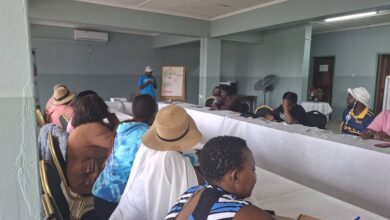
Bulawayo, Zimbabwe — In a move to bolster civic engagement and awareness of fundamental rights, Amnesty International Zimbabwe (AIZ) hosted a comprehensive human rights training session in Bulawayo last week. The event, which drew participants from across the Matabeleland and Midlands regions, aimed to equip local leaders and activists with the knowledge and skills to promote and protect the constitutional rights of Zimbabwean citizens.
Nokholo Matshazi, an AIZ official, emphasized the significance of the training, stating, “As an organization committed to defending human rights, we recognize the crucial role that local communities play in this effort. This training is designed to empower participants with the necessary tools to become effective advocates for the rights enshrined in our constitution.”
The three-day workshop covered a wide range of topics, including an in-depth exploration of Zimbabwe’s Bill of Rights. Lucy Chivasa, another AIZ representative, led this component of the training, stating, “It is essential that all Zimbabweans are aware of their fundamental rights and freedoms. This knowledge is the foundation upon which we can build a more just and equitable society.”
Participants were not merely passive learners during the session; they were actively engaged in developing strategies for human rights campaigns and advocacy initiatives. “We wanted to ensure that the participants left the training with a concrete action plan,” Matshazi explained. “Raising awareness is important, but it’s equally crucial that we empower people to take tangible steps towards safeguarding their rights.”
One of the attendees, Bheki Ndlovu, a community leader from Gwanda, expressed his enthusiasm for the training, stating, “As someone who has witnessed firsthand the challenges faced by my community, I am grateful for the opportunity to learn how to better navigate the legal and political landscape to seek redress for human rights violations. This training has given me a renewed sense of purpose and optimism.”
Another participant, Florence Magagula, a youth activist from Lupane, echoed Ndlovu’s sentiments, saying, “The content covered during this workshop has been truly eye-opening. I now feel better equipped to engage with local authorities and advocate for the rights of marginalized groups in my community. This is a significant step towards empowering citizens and fostering a culture of respect for human rights.”
The training session also provided a platform for participants to share their own experiences and challenges in promoting human rights. Chivasa noted, “It was heartening to see the level of engagement and the willingness of the participants to learn from one another. This exchange of ideas and best practices will undoubtedly strengthen the human rights movement in Zimbabwe.”
As the training drew to a close, Matshazi issued a rallying call to the participants, stating, “You are now the custodians of this knowledge. It is your responsibility to go out into your communities and become the change you wish to see. Together, we can build a Zimbabwe where the rights and dignity of all citizens are respected and protected.”
The Amnesty International Zimbabwe human rights training in Bulawayo has undoubtedly left a lasting impact on the participants, equipping them with the necessary skills and knowledge to become effective advocates for constitutional rights. As the country continues to navigate complex social and political challenges, the empowerment of local communities will be crucial in ensuring that the principles of human rights are upheld and safeguarded for all Zimbabweans.