Water and sanitation issues marred Byo By-election
Providence Moyo
The 9 December by-election was marred by poor access to water and sanitation at polling stations in Bulawayo, according to a report by Matabeleland Institute for Human Rights (MIHR).
The report revealed that only two of the five constituencies where by-elections were held had running water on election day, while the other three constituencies had dry taps.
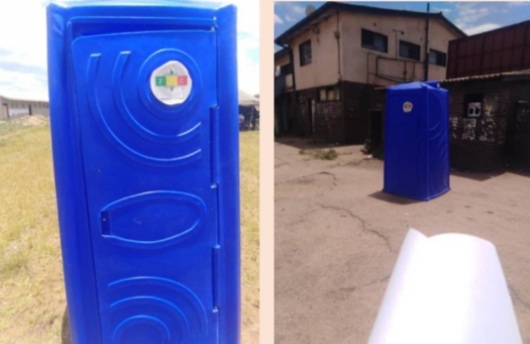
“There were 39 polling stations (32.5% of the observed polling stations) which were using mobile toilets. Of the 39 polling stations using mobile toilets, 100% of them had 1 mobile toilet being used by both males and females, with each polling station having an average of 13 – 18 polling officials. Of the 39 stations that were using mobile toilets, 11 of them (28%) had two polling stations sharing one toilet.”
Due to a shortage of toilets, males and females had to use the same facilities, and in some cases, two polling stations had to share a single toilet. MIHR urged the Zimbabwe Electoral Commission (ZEC) to improve water and sanitation services at polling stations, emphasizing the importance of these services in providing dignity and enhancing the credibility of the vote and the voting process.
“In all polling stations with alternative water provided, there were concerns from the election officials regarding the quality of the water and whether it was potable water or not. This concern was based on the fact that the water was delivered by bowsers and was poured into bin containers. In some areas, it was in 20 litres gallons whose cleanliness was not guaranteed. The election officials then resorted to use the provided alternative water for toilet purposes and had to either bring potable water in small 2 litre containers from home or buy. MIHR Observers attended 5 polling stations where officials had run out of the potable water they brought from their homes and were desperate to get clean drinking water.”
“In some mobile toilet polling stations, the mobile toilets were malfunctioning. In Makokoba for instance, an observation done in the morning showed that the mobile toilet was filling up very fast and the mobile toilet (which was being used by 2 polling stations) was releasing a foul smell. Officials were unclear if the chemicals that breakdown the waste had been added. In Cowdray Park the mobile toilet was leaking internally and making it difficult for officials to use it.”
MIHR expressed concern on officials’ limited knowledge on the mobile toilets system as they had not been trained on how to use the system. In addition, the mobile toilets’ proved were not up to standard.
“None (0%) of the mobile toilets had a hand-washing facility situated outside the toilet for the mobile toilet users to wash their hands. The mobile toilets also had no inbuilt hand washing facility inside them. This was despite the fact that the by-election took place at a time when Zimbabwe was experiencing a widespread nationwide cholera outbreak since February 2023 and had spread to all the 10 provinces of the country, including Bulawayo. As of 03 December 2023 (6 days before the by-election), Zimbabwe was said to have recorded 10 263 suspected cholera cases, 1 409 confirmed cases (total 11 672 cases) and 230 deaths. The number of recorded weekly new cases remained above 1 000. It was therefore anticipated that ZEC would prioritize cholera preventive measures in polling stations.”
The election was triggered by the recalls of MPs and councillors by self-styled CCC Secretary General, Sengezo Tshabangu, and coincided with a water crisis in Bulawayo. Despite efforts by ZEC to provide alternative water containers and mobile toilets, “significant gaps in access to these essential services” were observed by MIHR. The water crisis in Bulawayo has been ongoing for a long time, and at the time of the by-elections, the city was implementing a 48-hour water shedding schedule. However, the schedule was not being strictly adhered to, leading to extended periods of time without clean water for residents.