Zimbabwe’s Education System: Concerns emerging from parents around the sector

Image source: iStock Photos
By Nobukhosi Ndlovu
The shifts in the education landscape in Zimbabwe over the last few years has left many parents questioning whether learners still have access to in depth learning or simply practicing skimming over information due to the increasing demand of pass rates in schools.
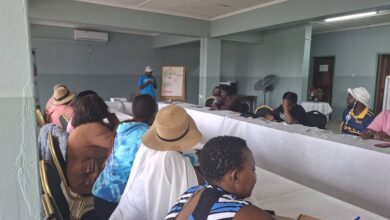
Following a dialogue hosted by Transparency International Zimbabwe (TIZ), Women’s Institute for Leadership Development (WILD) as well as the Bulawayo Progressive Residents Association (BPRA) a few weeks ago concerning the high levels of corruption in the healthcare and education sector, conversations on the sustainability of what has been known as the ‘learner friendly’, education system has emerged in many platforms across the country.
As an opening statement when the dialogue commenced, TIZ Director, Tafadzwa Chikumbu, highlighted that the main objective of the meeting was to address the defiencies in the education sector and create space for participants to raise concerns affecting students and communities.
The dialogue therefore facilitated a platform where stakeholders engaged directly with duty bearers and held them accountable for negligence within the education system which has affected a majority of citizens, particularly those from vulnerable communities.
Presentations delivered by TIZ Senior Researcher, Dakarayi Matanga explained with depth the implications of corruption and discrimination within the education sector. The engagement hence allowed the mention of current factors around the system that no longer affect students alone but also involve the teachers and the parents. Participants in the dialogue then highlighted the need for authority figures to take their rightful positions and regulate the educational landscape accordingly.
“All hands on deck, it takes a village to raise a child,” Taungana Ndoro, Director of Communications and Advocacy at the Ministry of Primary and Secondary Education said during the dialogue, noting the realities that manifest by negligence in the education sector.
The dialogue became one of many conversations over the last few weeks that have been critically analyzing the current education system. Discussions navigated through the student cap policy, supplementary tutoring , the effects of shifting to online learning and over-relience on AI tools to complete tasks and assignments.
Thandekile Ndlovu, a teacher and partaker of community driven issues shared briefly on his experience with students and the differences between the tech-savy education system compared to the more hard-copied reliant landscape that was there before the advancement of technology.
“The challenge is that most educators are not well versed in the use of ICT tools, hence it is difficult to employ them in the classroom, leaving learners vulnerable,” Ndlovu said, commenting on how the intergration to online learning has affected students’ ability to engage deeply with their study material.
Ndlovu also explained that some of the factors that contribute to surface learning is that poor ICT infrastructures make it hard to embrace online learning therefore leading to students failing to access information or any study material in time.
“Material that supports online learning is not available, except in a few elite schools.” He added.
Issues surrounding the expenses that have been introduced by digitalization that involve the purchase of data to cover the excess research, a lot of study material introduced in schools to be learnt in a short space of time and the supplementary tutorials needed to lessen the student’s burden has been highlighted by many concerned parents.
“Our syllabus is not rigid, it does allow facilitators to teach without ICT tools but the challenge is the lack of exposure that may affect leaners,” Ndlovu said in his explanation of how students may face challenges as they further their education if they do not gain access to resources necessary in their learning, as compared to those who do.
“The best way to understand students is through understanding their strengths and weaknesses.” Ndlovu shared, stating that it is one way to help identify how to give them hands on tasks.
According to him, one way to lessen academic pressure on students is to reduce the number of subjects a student has to take.
Debates on where the education system stands keep going, which proves to be a sign of concerned parents and teachers who want nothing but fairness and equity in the education sector.
Community Podium is the recipient of the 2025 Outstanding NGO Reporting Award. This reflects our dedication to amplifying community voices and advancing public-interest journalism.