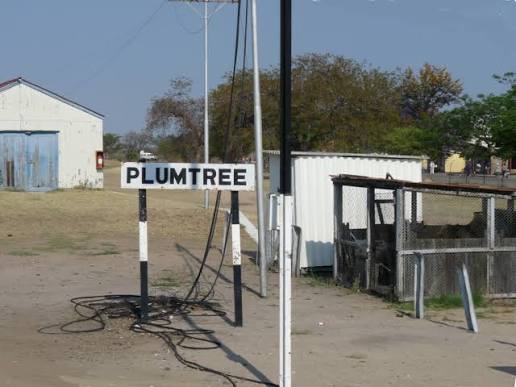
Youth and PWDs grapple with climate change impact in Plumtree
By Wendylene Dube
As climate change continues to reshape life in Plumtree, rural communities are grappling with more than just extreme weather. Among the most affected are young people and persons with disabilities (PWDs), who face unique and often overlooked challenges.
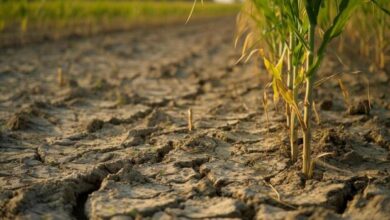
In many parts of Plumtree, repeated droughts have made farming, the primary source of income, unreliable. For youth who once hoped to inherit productive land or start agribusinesses, climate change has shattered those dreams.
“In the previous season, i planted sorghum and maize, but it all dried up,” says Nkosilathi Moyo (22) from Tshankwa Village. “No one wants to hire us because even big farmers are struggling.”
Unemployment among young people is worsening, and with limited alternatives in rural areas, many are migrating or turning to informal, sometimes harmful, survival tactics.
For persons with disabilities, the crisis is even more severe. Accessible water sources are drying up, forcing people to walk longer distances for clean water, something not everyone can manage.
“When the well near my home dried, I had to wait until someone fetched water for me,” shares Sihle Mhlanga (34), who lives with a physical disability.
“Sometimes I go two days without bathing or cooking because I can’t carry heavy buckets.”
Extreme heatwaves also increase health risks for those with chronic illnesses or limited mobility.
However, despite the hardships, small sparks of innovation are emerging. Some young people have begun climate-smart projects such as container gardening and planting drought-resistant crops.
“We realised waiting for help won’t work,” says Sindile Dumani (28), a youth activist from Izimnyama. “We started collecting water in tanks during the rainy season. It’s small, but it’s working.”
Local leaders and NGOs have started offering training on sustainable farming, but more inclusive solutions are urgently needed. PWDs are calling for climate policies and programs that consider accessibility such as nearby water points, inclusive agricultural training, and community awareness.
Climate change has emerged as more than an environmental issue, but a human rights issue as well. In Plumtree, it is reshaping the futures of youth and pushing persons with disabilities into deeper marginalisation. But through resilience, innovation, and inclusive action, communities are slowly building ways to adapt and survive.