World Wildlife Day: Celebrating for the cameras, but what about the communities?
By Survivor Nyasulu
On the 3rd of March 2025, the world celebrated World Wildlife Day, an occasion dedicated to raising awareness about the protection of endangered species and their habitats.
This year’s theme, “Wildlife Conservation Finance: Investing in People and Planet,” calls for recognising that the health of the planet depends on both human well-being and wildlife preservation. But as we reflect on this, we must ask: Who is truly benefiting from this investment?
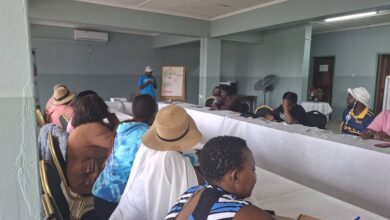
For many people, the day passed without much notice. Conservationists and policymakers acknowledged the occasion, but for the communities living alongside wildlife, there was little recognition or involvement.
The reality is that most local communities aren’t even aware of these global celebrations or the significance of the themes behind them. If we are to genuinely invest in people, it’s crucial that local communities understand what these wildlife days mean and how they can be part of the conversation.
While conservation events may gain attention in the media, they often miss the very communities they aim to impact. People living near wildlife-rich areas may not feel the immediate benefits of conservation efforts, and many may not even know about the wildlife calendar days such as World Wildlife Day. The themes are celebrated by a select few, but how can we expect these communities to feel included in the process if they aren’t educated about the importance of these dates and their relevance to their own lives?
Education is key. Communities need to understand not just the importance of wildlife conservation, but also the meaning behind these celebrations and their themes.
If people are educated about why these days matte, from World Wildlife Day to other important conservation events, they will feel more connected to the cause. It’s about making conservation relevant to them, so they see how it directly affects their lives and the well-being of future generations. Without education, these global celebrations will remain distant and disconnected from the everyday lives of local people.
Next year, let’s shift the focus of World Wildlife Day beyond events for conservationists and officials. Let’s use this day to educate local communities, to explain the significance of these celebrations and the themes behind them, and to engage people in meaningful discussions about how they can contribute to wildlife protection.
Making these themes known and accessible to everyone would ensure that conservation efforts truly benefit the communities who live closest to wildlife. If we truly want to invest in people, we must start by investing in their knowledge and engagement. Only then will the celebrations be real, impactful, and inclusive.