Rains replenish dams, revitalize communities

By Kelvin Kutinyo
The recent rains have instilled renewed hope in farmers, refilling dams and encouraging the widespread adoption of water harvesting methods for domestic use. The rains are providing much-needed relief to communities.
Rooftop water harvesting has become the most popular method, with collected rainwater stored in tanks, buckets, and dishes for non-potable uses such as flushing toilets, washing clothes, and cleaning homes.
Farmers have demonstrated exceptional resourcefulness by implementing innovative methods for storing rainwater. This includes digging trenches and creating contours to collect and conserve rainwater, which promotes sustainable water management practices.
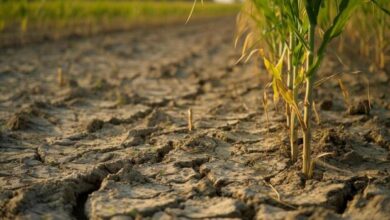
The country was hit by a severe drought last year, leading to widespread destruction as farmers lost both livestock and crops. Urban residents are struggling with severe water rationing, now limited to just 130 hours per week.
Mrs Mary Mpofu, the former councillor for Ward 22 in the Gwanda Tshitaudze area, confirmed that the continuous rainfall brought hope to the community as crops are flourishing in the fields and livestock are in excellent condition.
“It is raining and the crops that we planted are receiving enough water for a good harvest including our livestock who are now also on the safe side. The recent heatwave had given us some loss of hope again.”
“Most people received sorghum seeds to plant instead of maize because it was predicted that the rains might not be enough for maize but the Lord’s doings are wonderful, those who planted maize seeds will definitely enjoy their harvest because the lands are receiving a lot of rains,” said Mrs Mpofu.
She also pointed out that many dams are overflowing due to inadequate preparation, with trees and soil trapped inside the dams causing siltation and reducing their water storage capacity.
“The dams are spilling water because they were not prepared for the rainy season. There was a lot of dry trees and soil inside the dams which were caused by the El Nino induced drought, so the water is flowing away from the dams and we don’t know what is going to be done with this situation,” she said.
In Bulawayo, a statement released by the Bulawayo City Council revealed that as of 14 January 2025, the global dam water levels have shown a notable gradual 6.67% increase due to the ongoing rainfalls. Inflows have been recorded since the 4th of November 2024. The notable increases were recorded at Mtshabezi, which is 53% full, Insiza Mayfair at 39.29% full, Inyankuni at 17.90% full, Lower Ncema at 14.90% full, Umzingwane at 15.23% full, and Upper Ncema at 18.76% full.
To address water issues, the Bulawayo City Council has proposed several pipeline upgrades. These include the Mtshabezi-Umzingwane interlink to enhance supply capacity, the refurbishment of Ncema Water Treatment Works, the installation of bulk meters, and the rehabilitation of problematic sewer outfalls.
The Meteorological Services Department (MSD) has issued a warning that heavy rains and thunderstorms are expected to continue across much of the country until January 21, increasing the risk of flooding in vulnerable areas.