Ministry of Justice, Legal and Parliamentary Affairs educates Lupane Community on Marriage Laws in Zimbabwe

By Thembelihle Mhlanga
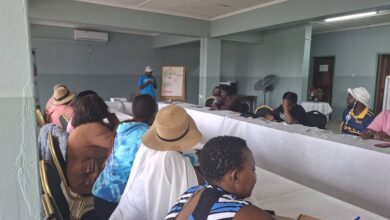
Lupane, Zimbabwe – In a recent outreach event, the Ministry of Justice, Legal and Parliamentary Affairs division visited Lupane to educate the local community on the different types of marriages recognized in Zimbabwe. Netsai Zvakasikwa, a Director at the Law Development Commission, provided an in-depth overview of civil marriages, registered customary marriages, and qualified marriages, as well as the newly introduced civil partnership union.
“It’s important for all Zimbabweans to understand the various marriage options available to them and the legal implications of each,” Zvakasikwa stated. “Our goal with this outreach is to ensure people make informed decisions when it comes to one of the most important life events.”
According to Zvakasikwa, a civil marriage is a legal union between two people performed by a marriage officer and registered with the Registrar of Marriages. “This type of marriage is governed by the Marriage Act and provides the most comprehensive legal protections for the couple and any children born from the union,” she explained.
Zvakasikwa noted that for a civil marriage, the payment of lobola (bride price) is not a legal requirement. “However, as Africans, we encourage couples to maintain the cultural practice of paying lobola if they choose to do so. Lobola is an important tradition that strengthens the bond between families.”
Registered customary marriages, on the other hand, are unions recognized under customary law and must be registered with the Registrar of Customary Marriages. “Customary marriages are valid and legally binding, but the protections and inheritance rights may differ from those of a civil marriage,” Zvakasikwa noted.
The third type of marriage discussed was a qualified marriage. “A qualified marriage is a union between two people who do not qualify for a civil marriage, such as those related by blood. These marriages are also registered with the Registrar of Marriages, but have more restrictions and requirements,” Zvakasikwa elaborated.
Perhaps the most significant new development presented was the introduction of civil partnerships. “The Civil Partnerships Act, passed in 2022, allows two people who do not wish to marry to enter into a legal union and have many of the same rights and responsibilities as a married couple,” Zvakasikwa explained. “This provides an option for those who want legal recognition of their relationship without the full commitment of marriage.”
When asked about the benefits of understanding these marriage laws, Zvakasikwa emphasized the importance of protection and inheritance rights. “Whether it’s a civil, customary, or qualified marriage, or a civil partnership, the legal recognition provides stability and security for the couple and any children. It ensures things like property rights, maintenance obligations, and inheritance are clearly defined.”
The Lupane community expressed gratitude for the educational outreach, with many attendees noting they were unaware of the nuances between the different marriage types. “I always thought a customary marriage was the same as a civil marriage,” said local resident Themba Moyo. “Now I understand the differences and will be sure to register my customary union to protect my rights.”
Another attendee, Lindiwe Sibanda, commented on the civil partnership option. “As a single mother, I wasn’t sure about getting married again, but the civil partnership sounds like a good alternative. I’m glad to know there are options beyond just a traditional marriage.”
The Ministry of Justice Legal and Parliamentary Affairs plans to continue these outreach events across Zimbabwe to ensure all citizens are informed about the country’s marriage laws and the rights and responsibilities that come with each type of union. “An educated populace makes for a stronger, more stable society,” Zvakasikwa concluded. “We’re committed to empowering Zimbabweans to make the best choices for themselves and their families.”