Mopane worm harvesters hopeful for upcoming April season
By Kelvin Kutinyo
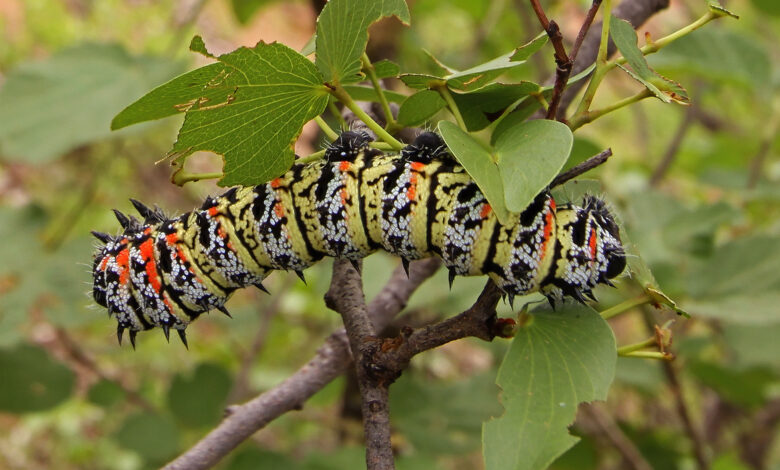
Mopane worm harvesters are hopeful that the upcoming April harvest will boost their livelihoods after a record of poor yields earlier this year. Although the April to May harvest is usually smaller, they believe the worms may have thrived due to the good rains, offering better returns compared to the main harvest, which typically occurs between December and January.
Mopane worms are a crucial source of income and protein for numerous rural households, particularly in Matabeleland South, a region with abundant Mopane trees that provide a habitat for the worms.
The El Nino induced dry spell, followed by a heatwave that hit the southern region, weakened the trees, decimating the worm population as it disturbed the ecosystem and yielding a dismal harvest.
The popular mopane worms (amacimbi) provide a lifeline for rural families that are struggling with unemployment and economic hardships.
Mrs Mary Mpofu from Gwanda Tshitaudze Constituency highlighted that the massive heatwave and dry spell resulted in the poor mopane worm harvest in the region.
“The butterflies made many eggs in preparation, but unfortunately, the heatwave that came severely affected the progress of these eggs, with birds also taking advantage of the vulnerable eggs, which reduced them to nothing.”
She added that the prolonged late rains are expected to yield a bumper harvest in April, and farmers are preparing to reap the benefits of the favorable weather.
“We will wait for the ones that we usually harvest in the month of April, we are very much sure that there are going to be many worms this time around because of the heavy rains that we have received,” said Mrs Mpofu.
The mopane worms, also known as “amacimbi” are a vital food source and economic lifeline for many households, particularly in rural areas where most families rely on the worms for consumption and its sales serve as a primary source of income.
Agriculture specialist Mr Khonzani Ncube revealed that climate change and global warming are the primary factors behind the poor harvest.
“The people or the community as a whole have nothing to do with poor harvest. Most life cycles are now being disturbed by climate change and global warming. In climate change we speak of temperatures and humidity, which disturb the life cycles, rainfall is also another contributing factor,” said Mr Ncube.
A recent survey at Renkini bus terminus and Emkambo revealed a sharp price increase for mopane worms, from the normal USD 1 for 2 packets to USD 1 (or USD 1.50) per cup, signaling a severe shortage.
Ms Nonkanyiso Gumede, Programs Manager at Greenhut Trust, added that human activities also affect the mopane worms life cycle.
“Deforestation and environmental degradation are the main human led factors that have contributed to the poor Mopane worm harvest. Many people rely on firewood as fuel for cooking, so they cut down trees.”
“A lot of land is also being cleared for other land uses like subsistence farming, mining, sand abstraction, human settlements, etc. Unfortunately, all these factors reduce the availability of mopane trees, which are crucial for the lifecycle of the mopane worm. It’s also important to note that climate change has also played a role by causing erratic rainfall patterns that affect the lifecycle of the mopane worm,” advised Ms Gumede.
While the poor mopane worm harvest is a setback to the communities that solely rely on its availability for consumption and also generate income to carter for expenses, communities are hopeful that April will change the story and bring about sustenance in their livelihoods.