Solar irrigation brings abundance to Mahlasela farmers

By Fiona Mpofu
Deep in the heart of Matobo’s breathtaking balancing rocks lies the Mahlasela Community Garden where hope is flourishing amid adversity.
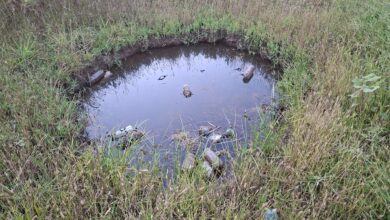
For years, farmers who are part of the garden project in ward 8, Bidi village, under Chief Bidi of Matabeleland South, have struggled with shallow wells that run dry annually. This has forced them to rely on the illusive rain to water their crops. More often than not, they would helplessly watch their crops wilt under the harsh sun. With each wilting crop, the ability of the farmers to sustain their livelihoods decreased.
Matobo District lies in ecological region 5 which is characterised by very little rainfall. Low rainfall is however not the only problem. Harvests were often further compromised by traditional fencing methods which were inadequate to deter livestock, leaving crops vulnerable to grazing by cattle and goats.
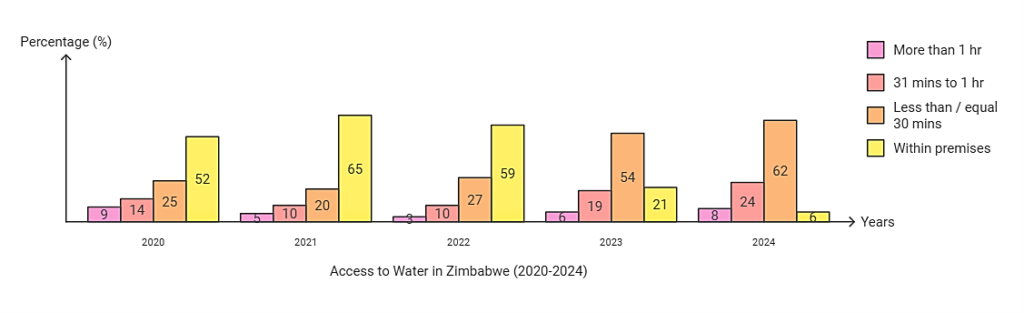
However, everything changed in 2019 when a USAID project transformed their reality by introducing a solar-powered irrigation system, allowing farmers to cultivate crops all year-round.
Blessing Nyathi, a young mother and one of the beneficiaries of Mahlasela Community Garden, highlighted that her life has changed for the better since the intervention.
“I am so grateful for the easy way of accessing water through the solar pumping system that ensures l have water to produce all year round,” Nyathi said, adding that there is no need for multiple trips to water her crops as all she has to do is just open the tap.
“I am even maintaining the same production quantities even during the dry season. I have beetroot, onion, sweet potatoes, carrots and tomatoes. Most people in my area had little to no produce hence those in the retail business have been buying in bulk from us,” Nyathi added.

Principal Ndlovu, another farmer from Mahlasela Community Garden, shared that the fresh produce has enhanced the community’s dietary intake, leading to improved nutrition and overall health.
“This garden has empowered us by allowing us to grow our own nutritious food. While the government has been providing basic food commodities such as mealie-meal, grain, and wheat, this garden has also increased our self-sufficiency and improved our overall well-being,” said Ndlovu.
“Our nutrition garden complements these government provisions with a variety of fresh vegetables, including spinach, beetroot, carrots, and onions. We also cultivate fruits, although some have been adversely impacted by the recent heatwave,” Ndlovu added.
Ndlovu shared that revenue generated from selling surplus produce has enabled his family to purchase much-needed clothing and to pay bills, testament to his financial stability.
“The garden has been instrumental in improving our financial situation. The income generated has enabled us to meet essential expenses such as school fees, footwear, and medical bills,” he said.
Chief Bidi, born Nqaba Ndiweni, under whose jurisdiction Bidi village falls, says the nutrition gardens have reduced the manual labour required to maintain gardens, resulting in more productivity.
“The implementation of solar-powered irrigation systems has substantially reduced the manual labor required for watering plants. Through mitigating the need for traditional methods like container watering and cart transportation, these systems have also lessened the scotch cart damage on the dam wall. This technological advancement has motivated a greater number of individuals to establish their own vegetable gardens,” said Chief Bidi.
Matobo District experienced massive crop failure in the 2023-24 agricultural season due to the adverse effects of the El Niño induced drought. While the community has become reliant on government-provided food aid, interventions brought by other stakeholders have also changed community lives.
USAID installed the solar-powered infrastructure at five other community gardens in the district, changing the lives of beneficiaries and community members.These include three solar-powered boreholes in ward 1, two in ward 3 and one borehole in ward 10.