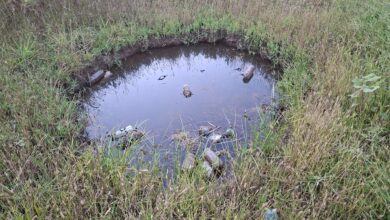
Despair as drought decimates livestock in Mat South
Mxolisi Ngwenya
Despondency has gripped rural communities in Matabeleland South following the depletion of water sources and grazing plains that has resulted in the death of livestock including cattle and donkeys, Community Podium has established.
The prevailing harsh climatic conditions have caused an erratic start to the 2023/2024 rainy season currently experienced in most parts of the country. Zimbabwe is currently at the peak of the ongoing strong El Nino effect that is driving below-average rainfall across much of Southern Africa.
El Nino refers to the a warming of the ocean surface, or above-average sea surface temperatures.
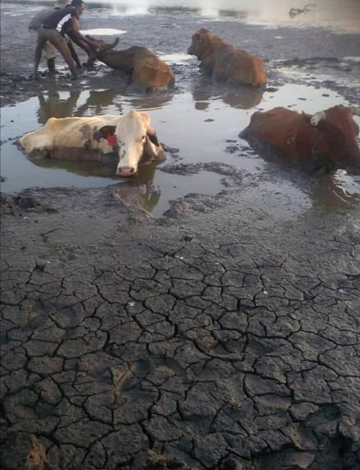
According to villagers from Gohole in Matobo District, the situation is dire as dozens of cattle succumb to the crisis in an attempt to drink water from the muddy ponds that are in the local dam.
Feluna Ncube, Proportional Representation Councillor for Gohole in Matobo ward 20, explains the severity of the crisis with no end in sight as the dry conditions are worsening by the day.
“We are receiving daily reports of cattle dying from being trapped in the muddy pools of Gohole dam. As if that is not enough, some of our cattle are succumbing to starvation as grazing areas have been depleted and we are losing hope by the day”, said Feluna Ncube.
Villagers from Sigangatsha in Matobo ward 6 have not been spared either from the devastating effects of the prevailing dry weather conditions as they are losing cattle on almost an hourly basis.
“We are involuntarily slaughtering our cattle especially those in calf every day. Once a cow in calf drops to the ground, chances of raising it to stand on its feet again are slim and we are left with no option but to slaughter,” said Mary Mhlanga, a member of the Habakkuk Trust Community Advocacy Action Team from Matobo ward 6.
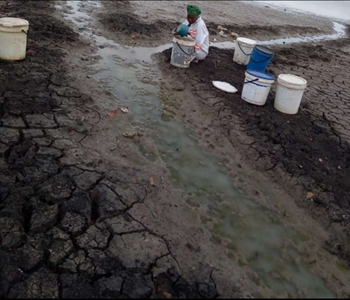
Meanwhile, as a coping strategy, villagers from Madlambudzi in Bulilima ward 11 have since resorted to fetching water through abstraction to water their cattle from household water containers.
“The livestock situation is critical; we have resorted to watering our livestock by filling up large dishes with water dug out from the basin of the dam,’’ said Silindeni Nleya who is a member of the Madlambudzi Dam Committee.
Bulilima District is on the receiving end of the adverse weather conditions that have since claimed hundreds of cattle and the plight of villagers has been worsened by regular wildlife raids. Hyena invasions are on the rise, compounding livestock losses as the animals are too weak (due to hunger and dehydration) to escape from attacks by the predators.
The climate change induced weather phenomena has collided with worsening economic conditions coupled with a weak climate governance framework much to the detriment of local communities. The limited adaptation measures to the climate crisis is threatens not only the household economic base but also has ripple effects on the local and national economy. Matabeleland South holds a substantial portion of the country’s national head, hence the need for urgent attention to the crisis.