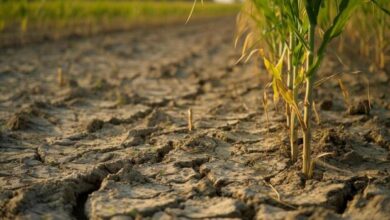
Zimbabwe faces rising climate change challenges, research reveals
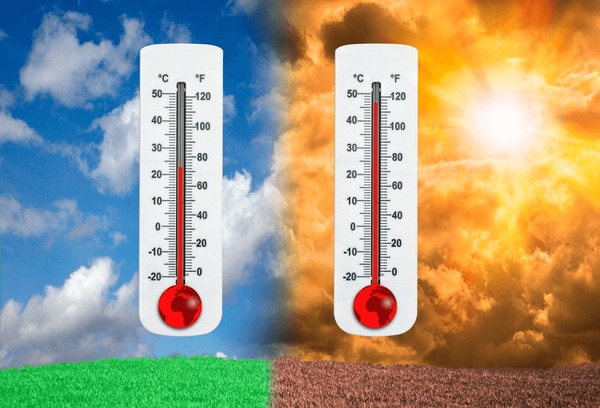
Image Source: ShutterStock
By Nobukhosi Ndlovu
Climate activists and researchers have recently brought forward an alert on the increasing impacts of climate change in the country, urging the government to take an action to cater for the livelihoods of its people.
Over the years, statics have highlighted the alarming increase of climate change challenges in communities across the country, with rising temperatures and unpredictable rainfall affecting agriculture and local economies.
A 2025 study, titled, ‘Urban Climate Change and the Realities of the Poor: Perceptions, Risk and Responses in Bulawayo, Zimbabwe,’ noted that extreme weather conditions worsens the already terrible conditions of disadvantaged urban residents. It highlighted how heatwaves, sudden cold temperatures and irregular rainfall patterns affect the livelihoods of small scale gardening and poultry farming.
Bekezela Danisa, a local chicken farmer in the city of Bulawayo shared the discomfort and inconvenience that unpredictable weather patterns have caused.
“High temperatures have negatively impacted broiler production. Since broilers require high energy feed, clean water and proper ventilation, farmers must provide these during cooler hours which would be at night. This slows growth, extending the time needed for birds to reach maturity,” she said.
She explained how then all these factors lead to a poor meat quality, which forces farmers to reduce their selling price in order to be able to reach the market.
“We as farmers then suffer a loss, unable to cover all the necessary expenses for chicken farming or afford our livelihoods,” she added.
While Bulawayo residents struggle with shifting weather patterns marked by extreme heat and cold temperatures, researchers in Mutare have documented similar climate related challenges affecting communities in the various parts of the region.
These findings highlight that climate change is not just a localized issue but a national problem, having a negative impact on agriculture, water supply and livelihoods throughout the country.
“Climate change is a major threat to the food security and livelihood of developing nations particularly in Africa, where economies rely on agriculture yet are highly vulnerable to climatic conditions,” Talent Sithole, one of the authors of the recently published Midlands State University Law Review Special Edition 2025 highlighted.
Over the past few years, Zimbabwe has experienced unexpected weather patterns. These changes have disrupted agricultural activities, particularly affecting small scale farmers who rely on consistent weather patterns for their livelihoods.
The government has taken steps to address climate related challenges, through the Climate Change Management Bill 2025, which provides a framework for adaptation strategies, environmental management and community engagement.