Polling stations distance concern for PWDs
Tecla Ndlovu
Human rights defenders fear that long distances to polling stations in Bulilima and Mangwe districts might hinder persons with disabilities’ (PWDs) participation in harmonised elections slated for Wednesday next week.
Data shows that many PWDs remain disenfranchised in the electoral process. According to the 2017 Zimstat Intercensal Demographic, 9% of the country’s population, which is about more than 1. 2 million out of over 13 million people have some form of disability. Their electoral participation remains very low as indicated by the Zimbabwe Electoral Commission statistics which show that in 2018, out of the 450 000 eligible voters, only 29 803 were registered voters and the number of those who actually turned out to vote is much lower.
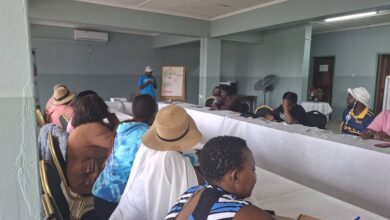
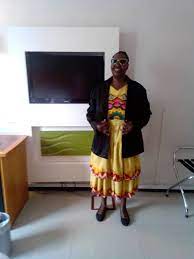
Speaking to Community Podium, the Zimbabwe Women with Disabilities in Development representative Constance Sibanda said engagement meetings with PWDs in Bulilima and Mangwe revealed numerous challenges which could prevent them from voting.
“After engaging with PWDs in Plumtree we noted that accessing polling stations will be difficult for them because they would have to walk for long distances. Most of them don’t have wheelchairs and some don’t have people who accompany them to the polling stations,” said Sibanda.
She added that apart from the long distances, there were several other challenges which would stand in the way of PWDs’ free participation in the upcoming elections.
“There are some who are visually impaired just like me, who will need assistance in casting their vote. From our observations of previous elections, when these PWDs get to the polling station, the presiding officer usually wants to choose someone who can assist them to cast their vote, yet they would have brought someone with them whom they trust. This leaves them doubting if they have really voted for their preferred candidate,” said Sibanda.
“Additionally there are other challenges such as lack of braille which enables PWDs to read for themselves. This challenge also affects persons with albinism because their sight is poor,” said Sibanda.
She said, the deaf are also affected because most polling agents are not well versed in sign language, as such communication proves to be very difficult.
“To add on to these predicaments, some PWDs are uneducated and this makes it easy for anyone to take advantage of them,” added Sibanda.
Another activist who spoke to this publication, Bonlat Machiha implored the Zimbabwe Electoral Commission (ZEC) to develop disability policies and governance structures to encourage increased participation of PWDs.
“Historically, persons with disabilities have contended with challenges which have left them in the peripheries of society, removed from equal participation in more aspects than one. As such, there should be considerations of mobile and postal voting, more accessible voting material and information, and the inclusion of PWDs as election support staff, ” said Machiha.
“The right to vote is an indispensable civil and political guarantee. It underlies an open, democratic and transformative society endeavoured in several legal and policy instruments. Practically speaking, this right is foundational in nature meaning its realisation is intrinsically linked to the enjoyment and attainment of other enshrined fundamental rights. Importantly, it creates a platform for people to exercise free will, stand for political office and choose their political representatives,” he added.