Discontented EU to suspend ZEC funding
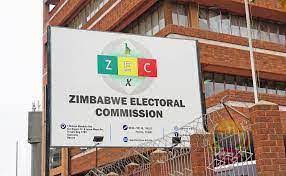
EU to suspend ZEC funding
The European Union has given notice of its intention to suspend support for the discredited Zimbabwe Electoral (ZEC) Commission citing issues of “independence and transparency” of the same.
In a statement, the continental bloc revealed that it has formally communicated its intention to suspend its 5 million USD financial support for the Zimbabwe Electoral Commission (ZEC) to both the Ministry of Finance and Investment Promotion and ZEC.
“The project supporting ZEC, which is managed by UNDP and scheduled to run until December 2024, is currently under scrutiny due to concerns raised by several international Electoral Observation Missions (EOMs) regarding the independence and transparency of ZEC during the 2023 harmonised elections.”
“The recent preliminary statements from multiple EOMs, including the EU EOM, have raised concerns about ZEC’s management of the electoral process, particularly regarding its independence and transparency. The EU contributes together with other donors to a UNDP-managed project aiming at enhancing ZEC’s institutional and technical capabilities to fulfil its constitutional mandate. In response to these concerns and in adherence to responsible management of EU development cooperation funds, the EU has initiated a procedure to suspend its contribution to this project.
The EU firmly underscores the critical importance of electoral management bodies serving as independent and transparent institutions in fulfilling their mandates to deliver credible and inclusive electoral processes that enjoy the trust of citizens. The EU remains open to the possibility of resuming its contribution to support efforts aiming at strengthening the electoral processes and bring such processes closer to the regional and international standards that Zimbabwe has signed.”
The European Union will continue closely monitoring developments in Zimbabwe and reaffirms its commitment to collaborate with the government, independent commissions, civil society, and other stakeholders in promoting democracy, human rights and rule of law,” read the statement.
The EU explained that the primary goal of the project is to boost ZEC’s capacity to conduct the electoral process, with the aim of contributing to the improvement of the entire electoral cycle, not limited to elections alone.
This project is managed by UNDP and receives support from various donors, including the EU. Following the signing of the Financing Agreement with the Ministry of Finance in November 2022, the EU officially entered into the ZIM-ECO2 project with UNDP in December 2022, providing a total contribution of 4.7 million USD, of which approximately 1 million Euros have been spent.
ZEC which has remained mum amidst accusations of favouring the ruling party Zanu PF has not availed constituency based election results and effectively has not communicated as to how it arrived at the figures of the presidential result.
According to ZEC results which the opposition vehemently rejected, President Emmerson Mnangagwa won the popular vote by 52.6%. His bitter rival Nelson Chamisa polled 44%. The opposition has rejected both the process and the result even though it has allowed its winning councillors and Members of Parliament to take up their roles.
ZEC has been criticised for conducting a faulty delimitation process, refusing with the voters’ roll, allegedly secretly transferring voters to different wards and constituencies, imposing high candidate nomination fees and adding voters to the voters roll well after the cut off for voter registration, among other illegalities. On the day of the election, there was an unprecedented delay which led to night voting at in opposition strongholds.
Earlier on today, a buoyed President Mnangagwa scoffed at those claiming he stole the election. His son David Kudakwashe and nephew Tongai were named among the deputy ministers when he announced his largely unchanged cabinet last week. The opposition claims over 700 000 in urban areas were disenfranchised.