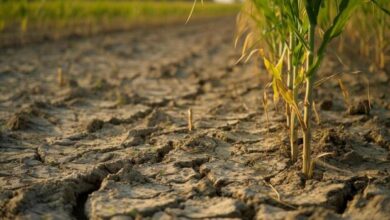
El Nino devastates cattle farmers in Jibajiba

Thembelihle Mhlanga
In the wake of the devastating El Nino weather phenomenon, cattle farmers in Jibajiba Ward in Lupane are facing unprecedented challenges as their livelihoods hang in the balance.
Nkululeko Dube, a local farmer, spoke out about the dire situation that has befallen the once-thriving community. Dube, a dedicated cattle farmer for over two decades, expressed his deep concern over the impact of the El Nino condition on his cattle.
“The prolonged drought has left our pastures barren and water sources dry. Our cattle are suffering from malnutrition, and we have lost a significant number of them due to lack of food and water,” Dube lamented.
As a result of the scarcity of resources, Thabani Ncube, the local cattle buyer, has witnessed a sharp decline in the number of cattle available for purchase.
“Farmers are desperate to sell their cattle due to the lack of grazing land and the inability to provide sufficient food for their livestock,” Ncube explained. “The situation has forced many farmers to sell their cattle at lower prices than usual, putting additional financial strain on them,” he added.
The El Nino condition, characterized by abnormal warming of ocean temperatures, has disrupted seasonal rainfall patterns and led to prolonged droughts in many parts of Zimbabwe. Jibajiba Ward, known for its vibrant agricultural community, has been hit hard by this climatic phenomenon.
Local retired livestock specialist Mr. Themba Moyo has acknowledged the gravity of the situation and is encouraging the government to work towards providing assistance to the affected farmers.
“We are all aware of the hardships faced by our cattle farmers as a result of the El Nino condition. Efforts should be made to provide them with emergency feed and water supplies to keep the remaining cattle alive,” stated Mr. Moyo.
Mr. Moyo went on to say that due to the deteriorating cattle status, cattle buyers are taking advantage and downscaling the prices of cattle.
“Farmers are now being ripped off by notorious cattle buyers who are forcing them to sell their cattle for a song, as the farmers are desperate to get money to buy food. Some buyers are offering a few bags of mealie meal in exchange for cattle, creating an unequal exchange,” said Moyo.
However, the efforts to alleviate the crisis are limited by the scale of the disaster and the lack of sufficient resources. Both Dube and Ncube emphasized the need for urgent intervention and support from the government and non-governmental organizations.
“We need immediate relief measures such as subsidies for animal feed, access to water sources, and financial assistance to help us rebuild our herds. Without these interventions, the future of our cattle farming industry looks bleak,” Dube pleaded.
Another farmer, Anastasia Ncube, said that her only hope for a livelihood is vested in the few cattle she has, and their death means the end of the road for her.
“My only hope is in these cattle I have because they are my sole source of income and livelihood. I sell them to buy food, and as a single parent, I use the money from cattle sales to pay fees for my three children,” lamented Mrs. Ncube.
The plight of cattle farmers in Jibajiba Ward serves as a stark reminder of the devastating consequences of climate change on vulnerable communities. Urgent action is required to mitigate the impact of future El Nino events and support the affected farmers in their journey towards recovery.
As the El Nino condition continues to wreak havoc, the resilient spirit of the farmers remains unbroken. They are determined to overcome the challenges and rebuild their livelihoods, but they cannot do it alone. The plight of Jibajiba Ward’s cattle farmers calls for a collective effort to provide them with the necessary support and resources to survive this crisis and thrive once again.