SADC raps Zim poll
Grace Moyo
The Southern African Development Community (SADC) Electoral Observation Mission (SEOM) has issued a damning preliminary statement on the conduct of the 2023 Harmonised elections Zimbabwe.
SADC says: “The mission observed that the pre-election and voting phases of 23-24 Aug harmonised election were peaceful and calm. However, the mission noted that some aspects of the harmonised elections fell short of the requirements of the Constitution of Zimbabwe, the Electoral Act and SADC principles governing democratic elections.”
According to SADC, the Zimbabwe Electoral Commission violated the Constitution as it used calculations that are not provided for in the constitution which affected the equality of votes for Members of Parliament but had no effect on the presidential election.
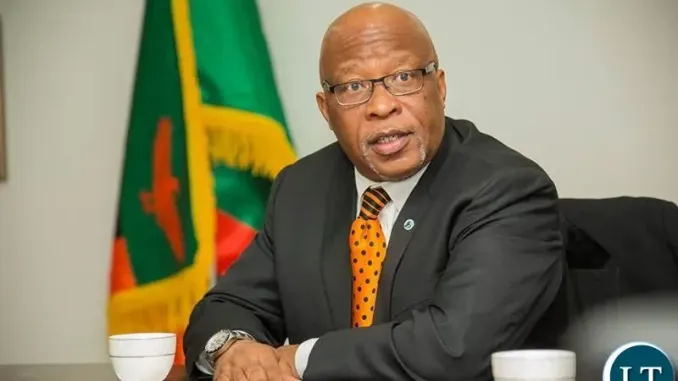
“In the new Constitution, and in the context of section 161(6), the maximum deviation is 20% of the voters registered in the constituencies. The new Constitution uses actual constituency by constituency registered voter population, not the national average number of constituency voter population to calculate the permissible deviation from the requirement that constituencies must have an equal number of voters. Mathematically, the two methods produce very different results and affect the equality of the vote with respect to the elections to parliament,” SADC said Nevers Mumba, Head of the Mission.
SADC also took a swipe at state media for its biased and partisan coverage which favour the incumbent although it noted an improvement from 2018 elections. Mumba said the bias violates Zimbabwe’s Constitution and SADC guidelines on free and fair elections.
Turning to the Criminal Law (Codification and Reform) Act commonly referred to as the Patriotic Act, Mumba lamented the draconian law’s assault on freedom of expression. He said in his interactions with the opposition they told him that even their meeting with SADC could be criminalized under the law.
“The Mission noted that the Patriot Act is incompatible with the spirit of section 61(1) of the Constitution, and paragraph 4.1.2 of the SADC Principles and Guidelines Governing Democratic Elections which requires Member States to uphold, amongst others, the freedom of expression.”
The regional body also observed irregularities on voting day which was characterised by ZEC delaying the distribution of ballot papers and the presence of Forever Associates of Zimbabwe. Mumba said the delays disenfranchised voters as some voters left before they could vote. According to Mumba, the delays were in stark contrast with ZEC assurances that it was ready to deploy adequate material.
“ Before election day, ZEC had assured our mission, and other stakeholders, that all necessary voting materials, including ballots, were available and ready for use.
The subsequent information from ZEC that they did not have adequate ballot papers has the unfortunate effect of creating doubts about the credibility of this process.”
FAZ, a shadowy affiliate of Zanu PF set up its exit poll desks next to polling stations, taking down names of voters and allegedly telling voters that they would know who they have voted for, in what observers saw as an act of intimidation.
““These and other unidentified persons, who were not polling officers, were observed taking down voters’ names before casting their votes,” said Mumba.
The police also came in for sharp SADC criticism for violating freedom of assembly by banning and disrupting opposition rallies. The opposition says over 100 of its rallies were banned by police for petty reasons such as poor sanitation at venues and the police’s lack of resources to facilitate gatherings.
Such a scathing report is a first in Zimbabwe’s troublesome electoral issues. It remains to be seen as to how Zanu PF which typically does not take kindly to such criticism will respond.
SADC revealed that its final report will be shared with the ZEC and all stakeholders. In terms of the SADC Principles and Guidelines Governing Democratic Elections, the long term observers will remain on the ground to continue with the post-election observation until the 1st of September 2023.