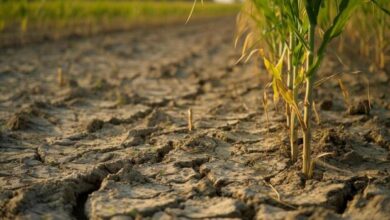
People destroy wetlands by farming
By Jonah B Moyo
Wetlands in rural Gwanda have quietly sustained communities for generations, providing water during dry seasons, thatching grass for income, grazing for livestock and even cultural identity. Today, however, many of these vital ecosystems are under pressure.
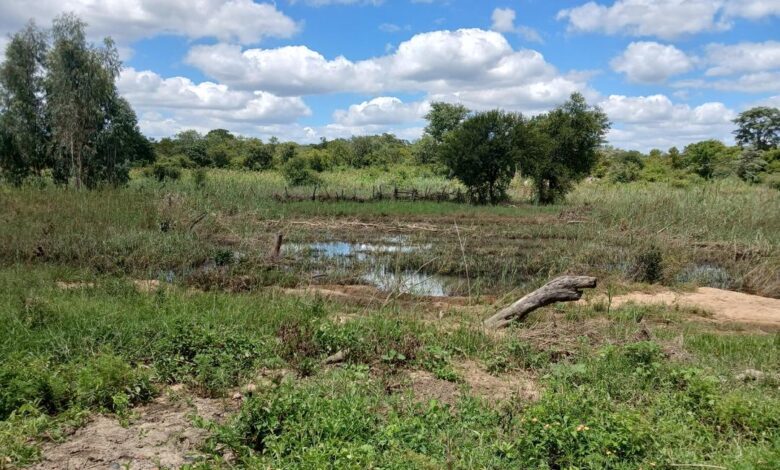
Across several wards in Gwanda District, wetlands that once held water throughout the year are now drying up, largely due to increased farming activities and land degradation.
The loss has not only affected biodiversity but has also reduced livelihood opportunities for rural families who once depended on wetland resources.
Thabiso Kageya (80) from Ramnoana Line in Ward 16 remembers when wetlands were central to household survival.
“I used to feed my family with money from the thatching grass that I got from the wetlands,” she said.
“These days, when we go looking for that grass, we only find short, poor-quality grass that cannot be used for roofing,” she said.
Beyond economic value, Kageya described wetlands as sacred spaces that were traditionally respected and protected.
“In the past, we could not just harvest from a wetland without following cultural practices. People respected these places. But over time, that respect has faded, and now many wetlands are no longer what they used to be,” she said.
Wetlands are often described as the “kidneys of the ecosystem” because of their ability to filter water, reduce flooding and store moisture during dry periods. When properly managed, they provide ecological, economic and cultural benefits to entire communities.
Brethren in Christ – Compassionate and Development Services (BIC-CDS) Natural Resource Officer Thando Shaquille Mpala said wetlands play a key role in climate resilience, especially during heavy rains.
“Wetlands hold excess water during heavy rainfall, reducing flood damage in communities. They release that water slowly, helping to maintain stream flow during dry seasons. They also improve water quality by filtering impurities from surface runoff,” he explained.
Recognising the growing pressure on wetlands, BIC-CDS has introduced programmes aimed at restoration and sustainable land use.
The organisation is supporting irrigation schemes to provide alternative farming spaces outside wetlands.
“We have constructed a Paye garden in Ward 14 and plan to expand similar projects to Wards 6, 11 and 16. The aim is to give farmers alternative land so they can stop cultivating wetlands and allow them time to recover,” Mpala said.
Farmers are also being encouraged to plant trees to stabilise soil and reduce siltation, which often damages wetland systems.
Environmental Management Agency (EMA) Acting Provincial Manager for Matabeleland South, Gerald Muchanyerei, said wetlands are essential not only for local communities but also for long-term environmental sustainability.
“They provide scientific, educational and recreational value. When wetlands are destroyed, we lose essential ecosystem services, including water regulation and food security,” he said.
Muchanyerei emphasised that communities are not being restricted from benefiting from wetlands, but rather encouraged to use them responsibly.
“We urge communities to integrate wetland protection into village and land-use planning. Gardens should be located at least 30 metres from water sources. Wetlands should be fenced to prevent trampling by livestock, and digging within wetlands should be avoided as it disrupts their water storage function,” he said.
According to the World Heritage and Ramsar Conventions, approximately 64 percent of the world’s wetlands have disappeared since the beginning of the last century. The Global Wetland Outlook further notes that wetlands are being lost three times faster than natural forests.
For Gwanda’s rural communities, the challenge now is balancing immediate livelihood needs with long-term environmental protection. With restoration programmes underway and growing awareness about sustainable use, there is cautious optimism that wetlands, once central to life and identity, can recover and continue supporting future generations.
Community Podium is the recipient of the 2025 Outstanding NGO Reporting Award. This reflects our dedication to amplifying community voices and advancing public-interest journalism.