Neglect for learners with learning difficulty: A cause for concern
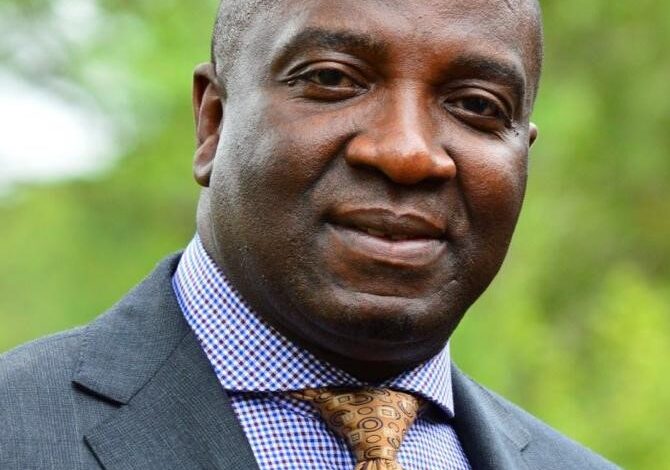
Thembelihle Mhlanga
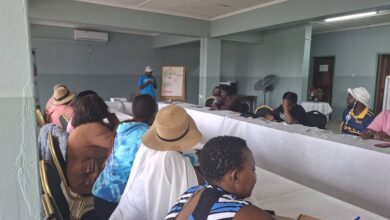
A recent online discussion on learning difficulties hosted by Community Podium has exposed a critical gap in Zimbabwe’s education system – the lack of support for children with learning disabilities.
Led by renowned remedial therapist Dr. Themba Nyoni of Baobab Educational Assessment Centre, the event served as a powerful platform for parents, educators, and advocates to raise their voices and ignite a call to action.
Dr Nyoni’s presentation unearthed a harsh reality: children with learning difficulties are being left behind. Participants passionately shared their experiences, highlighting a chronic shortage of well-equipped schools and resources specifically designed for these learners.
“In Zimbabwe, these learners face a number of challenges There is quite a number of challenges that they face, socially and academically, mostly due to poor understanding and appreciation of learning difficulties (LDs). Socially, the learners are given labels such as dull, slow learner, crazy, those etc! Society then tends to shun these people. Self-esteem suffers and this then manifests into bullying, ostracisation etc. Academically, the teacher who also has no understanding of LDs further digs a hole for these learners and labels them as unteachable”‘ said Dr Nyoni
“Insufficient financial resources allocated by the central government cripple efforts to implement effective interventions, train teachers, and provide crucial learning materials Specialized Professionals,the scarcity of trained professionals to support children with learning difficulties adds another layer of challenge for educators and parents” added Dr Nyoni
The frustration was palpable. Participants expressed deep concern about the limited access to specialized resources like assistive technologies, and the lack of inclusive learning environments. This systemic neglect not only hinders the progress of these children but also places an undue burden on educators and parents struggling to create supportive learning spaces.
Dr. Nyoni’s powerful message resonated with attendees. He encouraged them to become advocates for policy change. The call to action was clear: the government must prioritize the education and well-being of children with learning difficulties. Investing in adequate facilities, funding, and specialized training wouldn’t just benefit these children; it would build a more inclusive and equitable education system for all Zimbabwean students.
Participants passionately shared their experiences and highlighted the challenges they face due to the inadequate facilities and funding available. Many expressed concern about the limited access to specialized resources, including assistive technologies, trained professionals, and inclusive learning environments.
Furthermore, the participants voiced their frustration over the insufficient funding allocated by the central government to address the needs of children with learning difficulties. They emphasized that without adequate financial support, it becomes challenging to implement effective interventions, provide necessary training for teachers, and ensure the availability of appropriate learning materials.
One participant Tsepang Nare, a disability champion, said affected learners need all the support they can get.
” I want to assume that for a learning environment to be conducive enough for a learner with Learning Difficulty (LD) there must be provision of support services within the learning institution. These include speech therapy, occupational therapy as well as counselling services. Now, how is the learning environment at the present moment beneficial to the learner because at the end of the day, we must strive to advance and promote the interests of the child more than anything. The mainstream schools referred to have an alarmingly high ratio of teachers to learners. It’s highly unlikely for that teacher to then spend time seeing to it that the learner with a learning difficulty finding it hard to master mathematical concepts due to dyscalculia (a learning difficulty) eventually catches up”, said Nare.
Another participant said the labelling of these learners with LDs causes has further compounded their challenges.
“People give labels to what they don’t know. Kids will behave exactly in the manner that their parents and teachers treat learners with LDs. Awareness then becomes the key to acceptance, for the better treatment of the learners with LD” said Ms Nyathi.
The potential of these children is undeniable. Participants emphasized that investing in their success wouldn’t only transform their lives, but also contribute to the overall development of the nation. As the concerns raised at this event resonate across communities in Zimbabwe, it’s time for policymakers to take notice. By addressing the lack of facilities, funding, and specialist support, the government can create an education system that empowers every child to reach their full potential. This isn’t just about fairness; it’s about unlocking the potential of a generation.
Dr Nyoni’s presentation also shed light on common learning difficulties like dyslexia and dyscalculia. “This condition affects a person’s ability to read, write, and spell. It doesn’t impact intelligence, but can make identifying letters, decoding words, and comprehending written language challenging,” said Dr Nyoni on dyslexia.
According to Dr Nyoni, dyscalculia is a learning difficulty that “affects a person’s ability to understand and work with numbers. Children with dyscalculia may struggle with basic math concepts like counting, addition, and subtraction.”