Nearly 600 K Zim children face malnutrition

Providence Moyo
Startling statistics have emerged from a new global UNICEF report, revealing that 580,000 young children in Zimbabwe are currently grappling with severe food poverty, placing them at a heightened risk of experiencing wasting – a life-threatening form of malnutrition. This distressing situation underscores the urgent need for increased funding and scaled-up efforts to improve children’s diet diversity and combat malnutrition in the country.
The report emphasizes that the first few years of a child’s life are crucial in determining their well-being, growth, and development trajectory. Dr Nicholas Alipui, UNICEF Representative in Zimbabwe, highlighted the grave implications of the current circumstances, stating, “It is urgent to address child food poverty today to avoid more children being pushed into a life-threatening status of severe malnutrition.”
Factors such as the long-term impacts of COVID-19, health outbreaks like cholera, the climate crisis, and rising food prices have exacerbated the situation in Zimbabwe, leading to a rise in child food poverty. The recent El Nino induced drought has further aggravated the scenario, with above-average temperatures and below-average rainfall affecting agricultural output.
According to the global UNICEF report, children in severe food poverty are up to 50% more likely to suffer from life-threatening malnutrition. It delineates that the consumption of a diverse range of nutritious foods is essential for optimal growth and development in children. Unfortunately, in Zimbabwe, less than one in ten children have access to a daily diet that meets the necessary nutritional standards for healthy development.
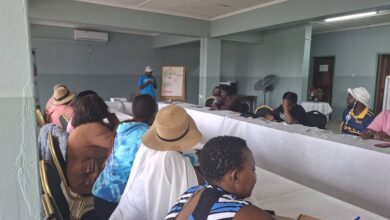
To address these challenges, the Government of Zimbabwe, in collaboration with UNICEF and other partners, is implementing initiatives under the Multi-Sectoral Food and Nutrition Security Strategy. These activities aim to enhance children’s diet diversity and prevent various forms of malnutrition through community-based programs like the Care Groups. These programs offer support to caregivers by providing access to nutrient-dense foods and essential services in health, water, sanitation and hygiene, social protection, and agriculture.
Dr Alipui emphasized the crucial need for additional support from various stakeholders to scale up these community-based nutrition activities. He called upon the Government, development partners, civil society organizations, non-governmental organizations, and the private sector to join forces in combating child food poverty and ensuring the well-being of children across Zimbabwe.
Community-based nutrition programs play a pivotal role in providing nutritious, safe, and affordable foods, as well as essential nutrition services to children in Zimbabwe.