
Mvuthu BH11 residents welcome feminist agroecology initiative
By Sihlobo Bulala
Mvuthu BH11 residents have expressed keen interest in the Feminist Agroecology Model School initiative being implemented by Zion City Foundation (ZCF) in partnership with the Food Justice Network (FJN).
The project, which centers women and youths in sustainable agricultural practices has been applauded by the community as a progressive initiative which looks at the benefits of a wholistic approach to addressing challenges faced by community members.
During the official launch of the project, one of the residents, Pauline Sibanda, expressed the importance of empowering women to be able to cater for their livelihoods should anything happen to men, who as the heads of the household have been cemented as bread winners.
“Anything can happen to men while they are out looking for goods to bring back home. As this happens, the woman will keep comforting their hungry children saying that their father is coming back home, until they all lose power. With this project, however, we are assured that we will be empowered and able to support ourselves as women,” said Sibanda.
Mvuthu BH11 community, like many other areas in Zimbabwe, faces challenges such as food insecurity, youth unemployment, gender inequality, limited access to training, and environmental degradation. Therefore, Zion City Foundation’s (ZCF) Feminist Agroecology Model School addresses these issues by equipping women and youth with practical skills in climate-resilient farming, improving access to income-generating opportunities, and promoting gender justice through inclusive participation and leadership. The project also enhances food production through sustainable practices like composting, crop rotation, and water harvesting, helping to build a more equitable and resilient local food system.
In an interview with Co-founder and Director of ZCF, Procedure Chikosi, she highlighted the importance of accommodating women and youths in sustainable agricultural practices.
“Centering women and youth in sustainable agricultural practices is essential because they are key agents of change in building resilient, food-secure communities. Women often play a central role in household nutrition and farming, yet face systemic barriers to land, resources, and training,” she said.
“The youth bring innovation, energy, and the long-term stake needed for sustainability. Empowering these groups ensures inclusive development, knowledge transfer, and intergenerational impact,” she added.
In adopting a wholistic approach to community development through sustainable practices, traditional leaders have also been identified as important stakeholders essential to the successful adoption of the Feminist Agroecology Model School (FAMS) project, as they hold influence and trust within the community.
“Their initial support through mobilizing the community for the project launch and guiding the selection of trainees for an upcoming trainer of trainers event has already laid a strong foundation for community buy-in,” shared Chikosi.
Going forward, traditional leaders have been identified to provide support to the project by leading conversations that promote gender equality and youth inclusion in farming, challenging harmful norms, and advocating for fair access to land and resources.
“They can also help bridge traditional knowledge with agroecological practices, encourage collective ownership, and ensure the project’s values align with local customs. Their continued leadership and cultural endorsement will be key to embedding FAMS into the everyday life of the Mvuthu community,” emphasized Chikosi.
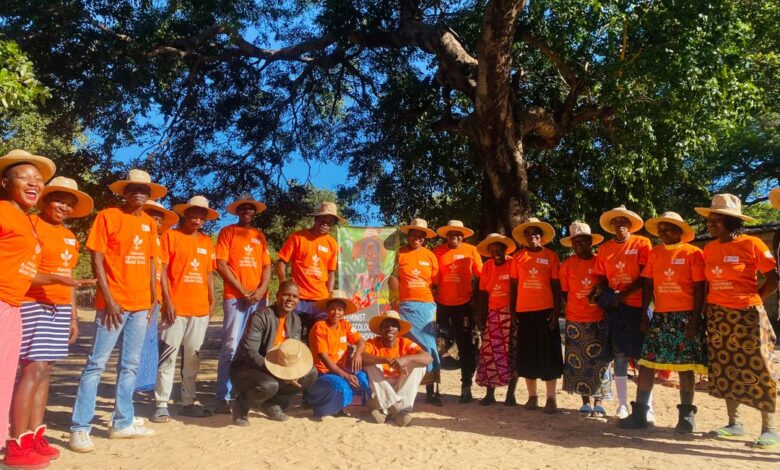
The launch of the Feminist Agroecology Model School in Mvuthu BH11 implemented by Zion City Foundation is one of the first interactions that the community will have with the organization as they ensure replicability of the agroecology practice. The main objective for the launch was to introduce the agroecology project to the community and form a core group of participants for an upcoming Training of Trainers program.
“The launch was a success, with strong community turnout, active engagement, and the selection of enthusiastic volunteers who will take part in the training. We are happy that the community expressed great interest in the project and showed a strong willingness to learn and participate moving forward,” highlighted Chikosi.


