MP demands dedicated drug rehab facilities

Providence Moyo
In a scathing indictment of the government’s response to the drug crisis, Nkulumane MP Desire Moyo has called for a paradigm shift in how Zimbabwe tackles addiction.
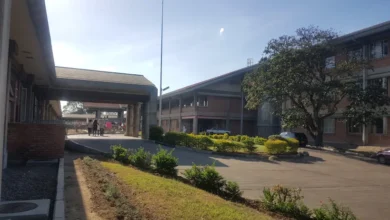
Moyo, visibly frustrated during a recent parliamentary session, slammed the practice of relying on overstretched mental health facilities like Mpilo and UBH Hospitals in Bulawayo for drug rehabilitation. He pointed out these centers, designed for a different purpose, are ill-equipped to handle the specific needs of recovering addicts.
“The rise in drug abuse stems from poverty and unemployment,” Moyo declared, “but it’s spiraling into a societal nightmare with a surge in crime – murders, road accidents – all fueled by addiction.”
The Nkulumane MP cited a tragic incident where a patient was allegedly murdered at Ingutsheni Hospital, highlighting the dangers of housing addicts alongside mentally ill patients.
“This recent death underscores the urgent need for dedicated drug rehabilitation centers,” he emphasized. “These facilities must be designed for safety and provide specialized treatment.”
Moyo went beyond criticism, proposing a multi-pronged approach. He urged the government to: construct dedicated drug rehabilitation centers to provide proper care, partner with the private sector to leverage resources and expertise for faster development and engage artists and media to raise public awareness about the dangers of drug use.
The MP acknowledged the need for stronger laws and deterrence, but stressed the importance of addressing the social ills that drive addiction, like poverty and unemployment.
Mental health institutions in Zimbabwe are reportedly overcrowded and Ingutsheni’s Chief Medical Officer Dr Nemache Mawere is on record arguing that there is need to provide alternatives of promoting mental health care as a way of decongesting mental health institutions.
Speaking on World Mental Health Day commemorations held at the hospital last year, he said , “Our biggest challenge in terms of care has to do with community care, which I think we should be advocating for, to have people looked after more in the community and less in the hospital. Unfortunately, people still think that it is best to bring people to the central hospital, but I am proposing that we look after our people out there in the community. So that is what we should be driving towards, establishing community care, making sure these people get appropriate treatment and making sure they get their reviews because sometimes people are not coming back for reviews, they are not coming back to collect their medication and then they relapse and we end up having a problem of overcrowding.”
The country is experiencing a surge in substance abuse as the Zimbabwe Civil Liberties and Drug Network reports rampant substance abuse. According to the network, cannabis (67%) tops the list; followed by cough syrup (47%); crystal meth (36%); illegal alcohol (31%); pharmaceuticals (13%); crack (3%); cocaine powder (3%) and heroin (2%).