
Media sustainability in Africa: Energy crises and the threat to the information ecosystem
By Prince Sunduzani
A recent press release from Zambia’s Independent Broadcasting Authority (IBA) shared via LinkedIn announced that, starting October 2, 2024, radio and TV stations in Zambia would have a “cooling off” window, allowing them to go off-air from midnight to 6 a.m. for three months.
My first reaction was this feels way too familiar. Coming from my experiences in Zimbabwe and Liberia, and what I’ve read about other countries like the DRC, it hit me: This isn’t just a Zambian issue—it’s a reality that so many African nations are grappling with.
The “cooling off” window is a temporary relief for broadcasters struggling with operational pressures, especially with Zambia’s frequent power outages and high energy costs. It’s a response to the ongoing electricity shortages, made worse by load shedding. But this is only the tip of the iceberg when it comes to the survival of media outlets across Africa.
A Familiar Crisis: Power Shortages Across Africa
Zambia isn’t the only country facing these power struggles. Zimbabwe, which shares its primary power source with Zambia through the Kariba Dam, is in the same boat. So is Liberia in West Africa, along with many other African countries. Electricity supplies are unreliable, and for broadcasters trying to maintain 24-hour operations, the costs of fuel for generators are astronomical. This is driving up operational costs at a time when advertising revenues are shrinking, leaving media outlets in a precarious position.
For community radio stations, which play an essential role in informing rural populations, the situation is even more dire. In Zimbabwe and Liberia, power cuts have forced these stations to shut down repeatedly, leaving listeners in the dark. In Zambia, broadcasters are having to make tough decisions like reducing broadcast hours just to stay afloat.
While the IBA’s “cooling off” period offers temporary relief, it’s not a permanent fix. The African media landscape is still highly dependent on unstable energy infrastructure, which cannot support continuous broadcasting. Without a sustainable solution, media outlets will continue to struggle.
The Bigger Picture: Threats to Africa’s Information Ecosystem
What’s even more concerning is the unrelenting threat which the energy crises poses on Africa’s information ecosystem. Media outlets don’t just entertain—they educate, inform, and connect communities. When radio and TV stations go off-air due to power shortages, communities, especially in rural areas, lose access to vital information.
In rural Zimbabwe and rural Liberia, for example, radio is the most trusted and accessible source of news, particularly on health, education, and governance. Interruptions in broadcasting don’t just create an information gap—they open the door to misinformation, as people turn to unreliable sources. And during emergencies like national elections or health crises, this gap can have even more severe consequences.
We saw this during the COVID-19 pandemic, where radio played a crucial role in getting public health information to communities across Africa. But ongoing power challenges now threaten that role, undermining media’s ability to provide timely, and accurate information when people need it most.
A Way Forward: Solar Energy as a Solution
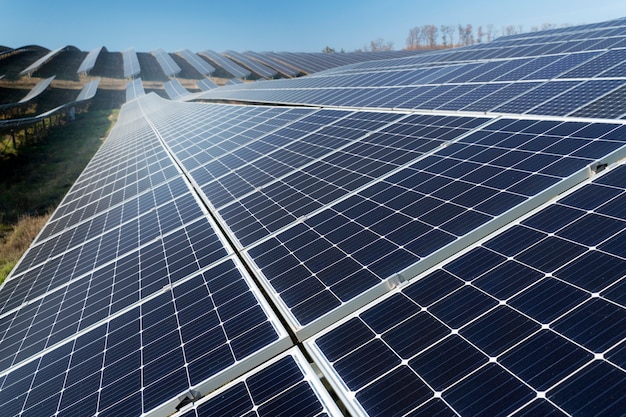
So, how do we move forward? Africa’s media sector clearly needs long-term, sustainable solutions to its energy problems. Solar energy offers a promising path. With the continent blessed with abundant sunshine, countries have the potential to harness solar power as a clean, renewable source for media operations.
Investing in solar infrastructure could reduce media houses’ reliance on costly diesel generators. Yes, the initial investment is significant, but solar energy is reliable and can lower operational costs in the long run. Plus, it’s a win for the environment. In Kenya, some community radio stations are already benefiting from donor-supported solar energy projects, significantly reducing their operational costs and ensuring more consistent broadcasting.
Internews, a global media development organization, reports that their solar energy projects have helped community radio stations stay on air longer. Beyond the extended broadcast time, solar power brings a clear financial advantage. By cutting down on the costs of electricity and fuel for generators, stations can redirect those savings toward other operational needs, enhancing different aspects of the business or simply improving cash flow.
If many countries follow suit, they could ease the energy burden on media outlets and make a dent in their reliance on fossil fuels. It’s a solution that addresses both the energy crisis and the financial sustainability of African media.
Securing the Future of African Media
While the IBA’s cooling-off window may offer short-term financial relief, it’s clear that sustainable energy solutions are essential for the long-term survival of African media. Policymakers, donors, and private sector partners need to collaborate to fund renewable energy projects that will allow media houses to operate reliably, even in the face of power shortages.
In the meantime, the energy crises in Zambia, Liberia and Zimbabwe are a stark reminder of how fragile Africa’s information ecosystem is. Without immediate and sustainable solutions, media outlets will find it increasingly difficult to survive, putting the public’s access to reliable information at risk. Solar energy, alongside strategic policy interventions, could help safeguard the future of African media, ensuring that broadcasters can continue to serve as a vital voice for democracy, development, and progress.In conclusion, the intersection of energy access and media sustainability is an urgent issue for Africa.
The challenges should spur us to pursue renewable energy solutions that will keep the light, and the airwaves, on across the continent. Without action, the future of African journalism, and the public’s right to information, is in serious jeopardy.
Prince Sunduzani is a Media Development Practitioner. You can connect with him on LinkedIn: Prince Nkosinathi Sunduzani.

