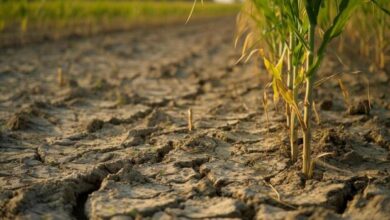
Mbembesi farmers continue using Intwasa amid climate change concerns
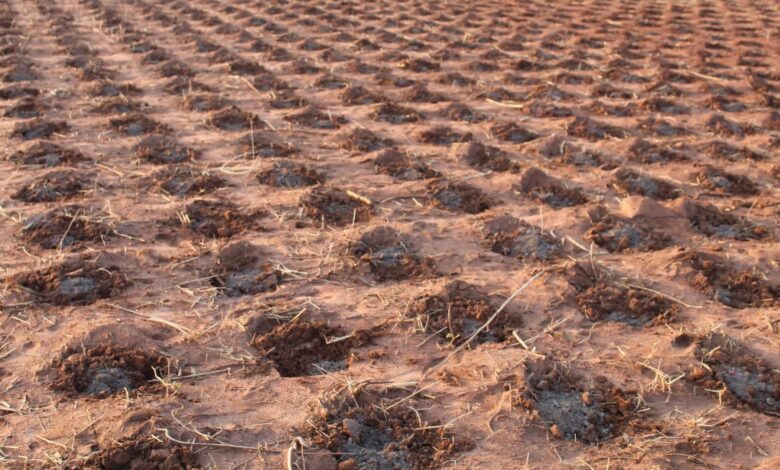
Image Source: Online
This Story Was Originally Published by Ingqanga Community Radio Station (92.4FM)
MBEMBESI – Mbembesi farmers, who have previously adopted conservation agriculture techniques such as using small, well-prepared plots and planting basins to combat drought, are committed to continuing these practices in the current ploughing season to boost their chances of achieving better yields despite erratic rainfall.
In semi-arid regions like Zimbabwe’s Umguza district, climate change has severely affected farmers, leading to widespread crop failures, livestock deaths, and heightened food insecurity. These challenges, including water scarcity and rising incidences of pests and diseases, have compelled farmers to adopt conservation and climate-smart farming practices to lessen the impact of a changing climate.
Speaking to Ingqanga Community Radio Station, Thenjiswa Nyilika, a farmer from Mantanjeni Village (Ward 3) expressed her zeal in continuing with employing conservation agriculture techniques in the current farming season, sharing that she has witnessed its benefits over the years. She mostly ploughs crops like sunflower, ground nuts, round nuts, sugar beans, sorghum, and maize.
“I have four years since I started ugatshompo (conservation agriculture). In the first year, I did three plots and each plot gave me 1 tonne of maize which I sent to the Grain Marketing Board (GMB). In the coming year, I managed to get some harvest as well which I traded with cattle. However, with the unreliable climate changes, we have been experiencing some challenges,” she said.
While she has started preparing five farming plots, she highlighted that there is need to support farmers with more resources to ensure that they reap bountiful harvests, despite the impacts of climate change.
“We need more support in getting seeds, DT fertilizer, and weed herbicides. As farmers we have also realized that we have to take advantage of techniques like staggering crops so that we minimize crop failures due to poor rainfall and be assured that we can be able to harvest something from one of the plots, should there be some challenges,” she said.
Ever since Nyilika started employing conservation agriculture techniques, she has experienced a change in their household livelihood, enabling them to not only cater to food insecurity, but also in a way that ensures that they get access to farming equipment and other assets that can help them sustain their farming practice.
“Ugatshompo has elevated us a lot. We no longer experience hunger as we are now cooking three times a day. We are no longer struggling financially, and we are also paying fees for our children. It also helps as we are now able to buy farming equipment like Ox drawn plough, rakes, and other assets like goats, cattle.
Ever since I started ugatshompo I can confirm that we are living like people. The only thing is that the farming practice needs someone who is a hard worker, someone with a heart, and someone who works in the field until it’s time to harvest,” she said.
Muziwanele Ncube, Chairperson of Deep Plough Agricultural Cooperative which is also targeting Umguza district highlighted that as climate change brings a lot of uncertainties, there is need for farmers to adapt to new methods of farming.
“If farmers don’t adapt, they will risk losing their plants, resulting in low yields and low income. Farmers should adopt conservation agriculture techniques instead of relying on outdated methods that no longer deliver results,” he said.