Improper waste disposal still a menace in Maphisa, despite awareness efforts
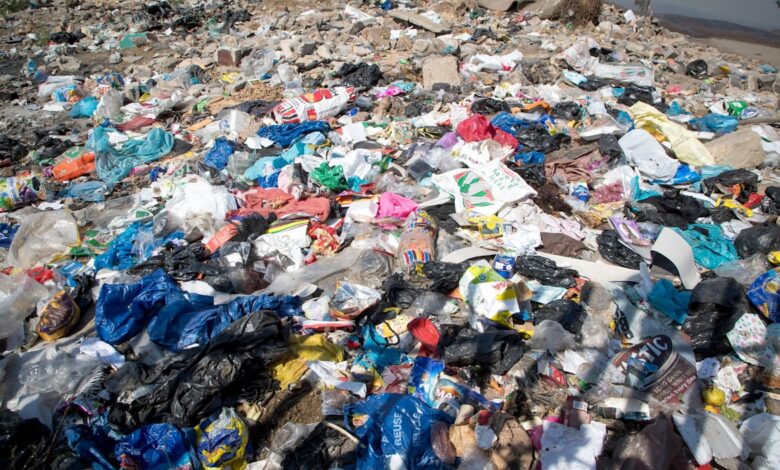
Image Source: Online
The improper disposal of waste, particularly used diapers at open and undesignated sites remains a serious and persistent challenge in Maphisa.
According to the Environmental Management Agency (EMA) Education and Publicity Officer for Matabeleland South, Mr. Simon Musasiwa, the problem persists even though residents are well informed about the dangers.
“Awareness campaigns have been done on waste management issues in Maphisa and people are very much aware of the dangers of inappropriate waste disposal,” said Mr. Musasiwa.
“However, people continue to dispose of waste at undesignated areas, particularly on the edges of built-up areas towards the dumpsite, and at J Mafuyana and Falcon residential areas. Some even dump along Gwanda Road.”
He said EMA has been conducting regular awareness meetings, talk shows, and cleanup campaigns, including the Presidential Clean-Up Campaigns held every first Friday of each month, but the illegal dumping of used diapers remains a major concern.
“Recently, as EMA, we conducted an awareness blitz that reached out to over 20,000 people across the province through talk shows, roadblocks, meetings, and radio programs. The issue of improper disposal of diapers was one of the key topics discussed,” he added.
Mr. Musasiwa highlighted that the improper disposal of diapers has severe and multi-faceted environmental and public health impacts.
He explained that soiled diapers contain untreated human waste, which harbors dangerous pathogens such as bacteria and viruses that can contaminate soil and water.
“When dumped in open spaces or near water sources, these pathogens can leach into the soil and groundwater, causing diseases like Hepatitis B, gastroenteritis, and typhoid fever,” he said.
The EMA official also noted that disposable diapers contain harmful synthetic materials and chemicals that are non-biodegradable and can take between 400 and 550 years to fully decompose.
“These materials release toxic substances such as phthalates and dioxins, which contaminate the environment and threaten ecosystems,” he explained.
In addition to polluting land and water, the slow decomposition of diapers contributes to solid waste management challenges. Mr. Musasiwa said diapers occupy valuable landfill space and add pressure to already strained waste disposal systems.
He further warned that when organic matter in diapers decomposes without oxygen, it emits methane, a potent greenhouse gas that worsens climate change.
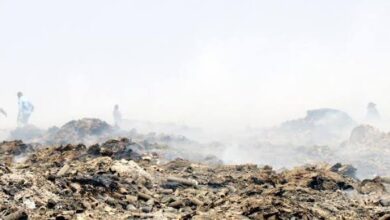
“Some people even burn waste in open spaces, releasing toxic fumes and pollutants that can cause respiratory problems,” he said.
Wildlife has also not been spared. Animals often mistake diaper materials for food or become entangled in the plastic components, leading to injury or death.
Mr. Musasiwa urged residents to use designated waste collection points and to separate diapers and other non-biodegradable materials from general waste. He said community cooperation remains key to keeping Maphisa clean and protecting public health.
“Proper waste management is everyone’s responsibility. If communities work together, we can make Maphisa cleaner, safer, and healthier,” he said.
Mr. Musasiwa also highlighted the broader implications of the practice. He said dumping diapers in open spaces contributes to methane emissions, a potent greenhouse gas, and harms wildlife that ingest or become trapped in the waste.
“Proper waste management is everyone’s responsibility,” he said. “If communities work together, we can make Maphisa cleaner, safer, and healthier for all.”
Residents expressed mixed feelings over the issue.
Agreement Gumbo of Falcon area said some people continued dumping waste because of limited refuse collection in the town.
“We know it’s wrong to throw diapers and litter everywhere, but sometimes the bins are full or refuse trucks take long to collect. People end up dumping near the road,” she said.
Brian Ncube of J Mafuyana suburb, called for stronger enforcement by authorities.
“EMA and the council have done well in teaching people, but without fines or penalties, people won’t stop. We need patrols and strict measures to stop illegal dumping,” he said.
However, others said community members must take more responsibility for their surroundings.
“It’s not the government’s job alone,” said Ncube
“If we all clean our surroundings and use proper dumping sites, Maphisa would be a better place to live.”
Sandra Moyo, a resident, highlighted the public health risks posed by improper diaper disposal, particularly for children.
“We can talk about the health hazard they pose to people, especially during the rainy season. At times, water flows into people’s homes, and children end up playing in those muddy puddles that also contain toxins from the diapers,” she said.
She added that such contamination could lead to the outbreak of diseases such as cholera and bilharzia, stressing the urgent need for adequate waste management facilities in the community.
“We can talk about improper disposal all we want, but without proper bins in place, this will continue to be a pandemic. A person cannot wait days on end for waste collectors while diapers pile up at home. There’s also a need to enforce strict laws against those who dump waste irresponsibly,” she said.
While disposable diapers remain convenient, especially for busy mothers, Moyo said the real issue lies in how people handle disposal.
“Disposable diapers are more favourable, especially for busy mothers. What’s needed is discipline in how we actually dispose them,” she explained.
Ward 19 Councillor Nqobizitha Ngwenya has declared the rampant and illegal dumping of soiled diapers, or pamper dumping, a severe public health and environmental crisis, stating that authorities are fighting a losing battle against the scourge.
In a candid assessment of the town’s litter problem, Councillor Ngwenya described a frustrating cycle where community clean-up efforts are rendered futile overnight. He recalled a severe incident where the local hospital was heavily contaminated.
“One time, the hospital was so contaminated that we had to organize residents and go and clean up the hospital,” Ngwenya stated.
“But the following day, we found out there are new dumps.”
The councillor believes the core of the issue is not just a lack of bins or collection services, but a deep-seated mindset problem among residents. He explained that many people see indiscriminate dumping as normal behavior, often discarding items like drink bottles and used diapers in plastic bags directly onto the street or a neighbor’s yard.
“The problem that you are seeing is a problem that is basically a mental problem, whereby people see dumping as a normal thing,” he said, emphasizing the need to understand the behavioral causes.
On the practical front, Councillor Ngwenya reported that he is spearheading an initiative to secure more litter bins through engagements with local business people. He confirmed that several large cage bins are on the way to join the single one currently in use, alongside more standard litter bins.
He also defended the council’s litter collection efforts, noting that while there are occasional breakdowns, the schedule is maintained. He clarified that council staff collect waste from bins, not piles dumped willy-nilly on the streets, which complicates the cleanup of items like scattered diapers.
He revealed that the town’s constrained budget makes it difficult to hire new workers to clean the dirtiest sections, though a few new faces might soon be added to the effort.
The environmental and health impacts are significant, Ngwenya warned. He highlighted the danger to livestock, which can ingest the diapers and contract human diseases, leading to expensive veterinary costs. This has also created a blame game, with residents accusing the council of dumping the very pampers they themselves discard.
Despite the challenges, Ngwenya said his office is trying its best. He promised residents would see a noticeable increase in litter bins around Maphisa in the coming months.
He also addressed the national monthly clean-up exercise, pronouncing it is “losing momentum,” with compliance waning and only government departments regularly participating.
The councillor indicated that residents are calling for stricter government regulations to make littering “the number one enemy of the state,” signaling that a multi-pronged approach of enforcement, education, and infrastructure is needed to win the war against waste.