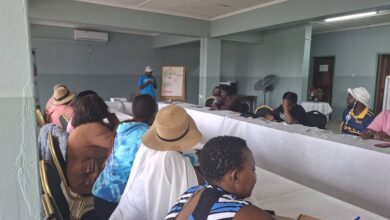
Gwanda youths express frustration over stagnant progress ahead of Independence celebrations

By Jonah B Moyo
GWANDA — Zimbabwe’s fast-approaching 45th independence anniversary has sparked frustration among youths who feel neglected amid persisting unemployment and economic challenges.
Before Zimbabwe, there was the Republic of Rhodesia, which was under the rule of a white minority government that colonised and oppressed the black majority from the late 19th century until 1980, when Zimbabwe gained independence.
During the colonial era, white people held positions of power and privilege, with access to education and employment opportunities. In contrast, black people were subjected to forced labor, segregation, and discrimination. However, in the 1960s, a growing movement of black nationalists challenged the unjust system and fought for independence.
The Lancaster House Agreement, signed in 1979, paved the way for Zimbabwe’s independence. On April 18, 1980, Zimbabwe officially gained independence from British colonial rule, marking the birth of the Republic of Zimbabwe.
Zimbabwe is celebrating 45 years of independence this year, but many youths are expressing frustration and disillusionment with the lack of progress in addressing their concerns.
Despite gaining independence from British colonial rule in 1980, young Zimbabweans feel that the promises of freedom and prosperity have not yet been fulfilled. They are struggling to find employment and facing a challenging economic environment.
In an interview, 20-year-old Mbali Nyoni expressed her sentiments about Zimbabwe’s 45th independence anniversary.
“Many people say we are celebrating 45 years of freedom from colonial rule, and that is a good thing because we should not be ruled by colonists. But as youths, we do not see the benefits of what our forefathers fought for. Instead, we are struggling with joblessness, and many of us are turning to drugs because we do not have anything to keep us busy,” she said.
She also highlighted that a degree holder is now a vendor.
“It is painful to see youths with degrees from various professions struggling to make ends meet. Many have been forced to abandon their dreams and resort to becoming street vendors, a stark reality that highlights the country’s dire economic situation,” Nyoni said.
Nyoni also highlighted that since 2010 the economy of Zimbabwe is declining.
“I do not know much about what happened after our forefathers took over our country, but since 2010 upto to this year everyday prices are going up, people are becoming jobless.”
“As we are pushing forward to Vision 2030, we have seen the government doing youth consultation meetings around the country which is good and can the government take what we asked for and practice it, so that we enjoy our independence as a country,” she said.
The sentiments echo the experiences of many young Zimbabweans, who feel that the country’s independence has not translated into tangible benefits for them.
Tatenda Mtisa(19) said if we cannot go to the streets to become vendors we cannot afford anything.
“As a young man with big aspirations, I feel hindered by the current state of our country. I can pursue a university degree in farming, but who will hire me?”
“I will be left with a framed degree and no job prospects. That is why many of us are forced to become vendors just to make ends meet,” he said.
He also highlighted that as we celebrate independence there are now a huge number of schools in Zimbabwe.
“I am thrilled that Zimbabwe has made significant strides in education, with numerous schools across the country. This is a remarkable achievement, and as we celebrate 45 years of independence, we urge the government to build on this progress. Let us work towards creating a brighter future where more people have formal employment opportunities, rather than relying on vending,” he said.