Community up in arms over minors selling alcohol at stadiums
By Kelvin Kutinyo
Bulawayo residents have expressed concern over underage children selling illicit alcohol at local stadiums, citing potential harm to minors and calling for authorities to intervene in the disturbing trend.
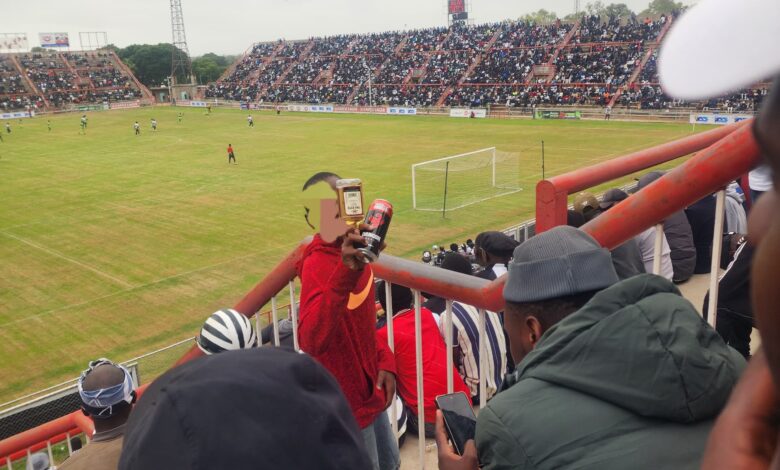
Underage children are reportedly being sent to Barbourfields stadium by informal alcohol vendors, primarily targeting the Soweto and Empankweni stands to promote and sell their products.
Sports administrator Praise Dumi Dhlakama emphasized the need to prioritize tackling the issue of illicit alcohol smuggling within the stadium, saying it should be addressed before other concerns.
“The main issue is that, selling alcohol inside stadiums is banned regardless it’s an underage child, elderly person or woman. Before we look at this pandemic that kids are selling alcohol inside the stadium, let’s look at the PSL laws that govern security inside our stadium.”
“We are looking at issues that have to do with poverty, we have to trace the real cause and then also trace the PSL security measures that are being put in place. We need to first cut the alliance system whereby illicit sellers are confidentially bringing in their items inside the stadium,” said Dumi Dhlakama.
Counselling practitioner Gugulethu Mwodzi warned that exposure to illicit drugs and alcohol at a young age can lead to long-term negative impacts on the children’s mental and emotional well being.
“Young underage children who sell illicit alcohol and cigarettes face significant psychological, developmental, social, and legal risks. They are exposed to adult criminal environments that may normalize illegal behavior and increase their vulnerability to trauma, anxiety, depression, and substance abuse. Their involvement often disrupts education, limits future opportunities, and exposes them to exploitation, violence, and community stigma, which can negatively affect identity formation and self-esteem.
“They are also at risk of being arrested and face long-term legal consequences. In many cases, especially in economically disadvantaged communities, this behavior is driven by poverty and survival needs, highlighting the importance of trauma-informed interventions, family support, and social welfare assistance rather than purely punitive measures,” said Ms Mwodzi.
Observers noted three tactics used to smuggle illicit brews into the stadium, including the “elevator style” method, where a rope is used to pull packed satchels from ground level up to the Soweto End terrace.
The second tactic involves disguising young children as junior players, with satchels filled with illicit brew. Another method involves hiding the contraband in stadium toilets a day before matchday.
A local resident, speaking on condition of anonymity, noted that the original owners are known to many, but often overlooked.
“The problem is that as a society we know the owners of these illicit alcohol, and people pretend not to see this growing problem. We sat down as a residents association and agreed to report all that are selling drugs and illicit alcohol to our children and also employing them to sell these in stadiums.”
“The painful part is these children are exposed to things that are not of their age, most of these underage kids parents are not aware of what is taking place, imagine you think you son is going to the stadium to watch soccer yet he’s selling illicit alcohol in the stadium,” said the source.
For an underage child with minimum to zero expenses back at home the deal sounds lucrative as they are paid 5USd to 10USD for their work and sometimes given an opportunity to pick anything from the employer’s vending stalls as an added bonus. Not knowing the real danger awaits in long run.
Women’s football coach, West Basil Bhebhe, has expressed concern that societal norms are deteriorating, with harmful behaviors being normalized, and warned that this trend could escalate if left unaddressed.
“There is a lot of social decay, the elderly have turned a blind eye to such a problem, imagine if it was your son or daughter running around the terraces carrying illicit alcohol. We have lost our morals and values, it is really stressing that one person uses child labour because it is cheap but what about the innocent child’s safety, ” said coach Bhebhe.
The pandemic coincides with national efforts to address the escalating issue of illicit alcohol and drug abuse, which has devastated many young people with promising futures, often due to neglect, lack of proper guidance and high unemployment rates.
Community Podium is the recipient of the 2025 Outstanding NGO Reporting Award. This reflects our dedication to amplifying community voices and advancing public-interest journalism.