
Unsung heroines of Huwana excelling in elderly care”
Mxolisi Ngwenya
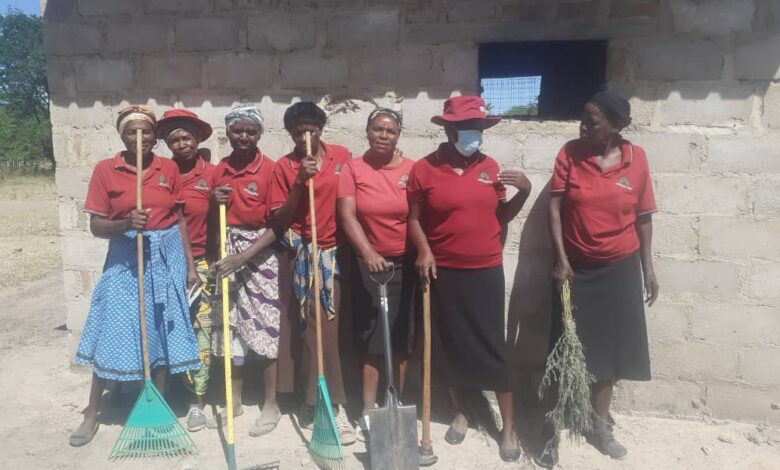
In the thicket of Plumtree in Matabeleland South, a village called Huwana which loosely translates to living together in harmony, is largely carried by women under the Nkiwane Foundation, who provide home based care for the elderly in that community.
With their open-heart, the women have dedicated their lives and time to help out aged with house chores that include cleaning, washing blankets and clothes as well as literally bathing the elderly.

Formed in 2019, just before the advent of Covid 19 pandemic, the group comprising of 19 women, stood for change in maintaining cleanliness amongst the elderly in the community of Huwana villages 1, 2, 3 and 4 and Ntabanda.
An important branch under the Nkiwane Foundation, the Home-Based-Care Women, have for the past four years managed to change lives and maintain cleanliness to over 80 senior citizens in the community.
One of the founding members of the Nkiwane Foundation, Vivian Ncube said the works of the home-based-care drive is designed to touch lives in Huwana and beyond.
“The Nkiwane Foundation was created by Mthabisi Nkiwane who is my son in 2019 as a way of bringing about positivity and change in our community and beyond.
“We came together with other women from our community and we created a group within the Nkiwane Foundation that would help elderly people through cleaning their homesteads, washing their clothes and bathing those who are impaired.
“In our community, there are a lot of old people who have been abandoned by their children who left in search of greener pastures in neighboring countries like South Africa and Botswana. Once they are out of the country, the children don’t send them groceries to cater their day-to-day needs.
“As a foundation, we then decided to start this movement along with 22 women, helping the old aged people who are in need,” said Ncube.
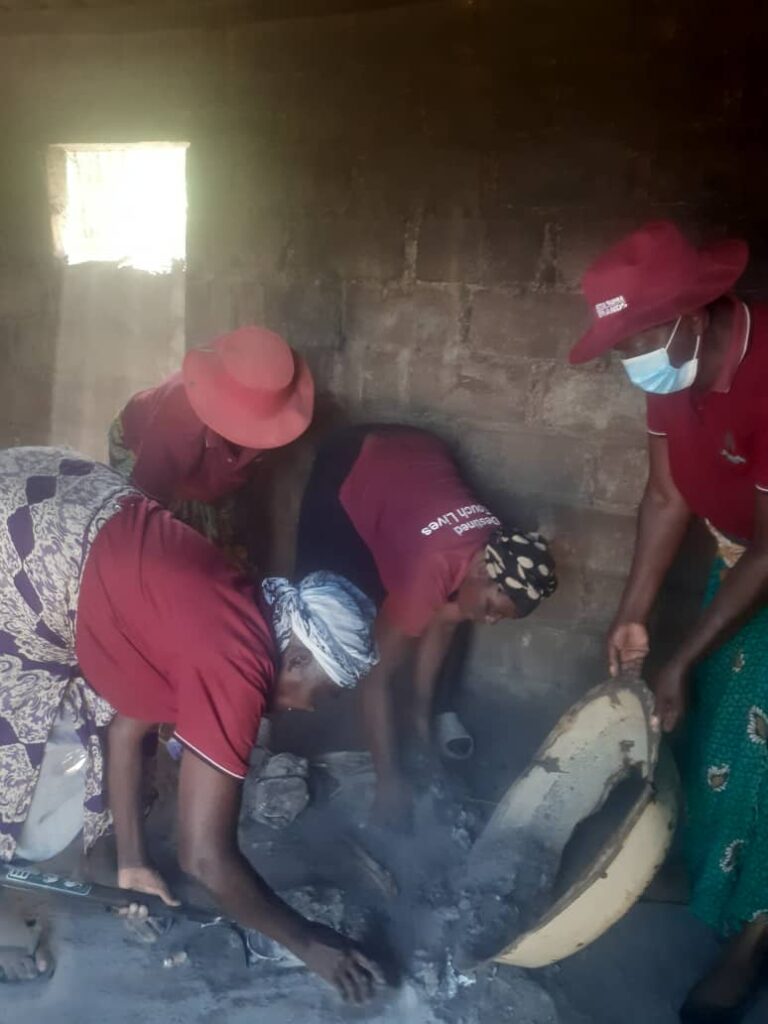
It’s not an easy task for these women to help the elderly. Sometimes they run out of cleaning utensils and detergents like gloves, soaps and washing powder, to the extent that they end up using utensils from their homesteads, something that has made their work difficult.
“We have donors who usually help us out with cleaning utensils but due to the economic situation in our country, funding is slowly slowing down and this makes our work hard as we end up using detergents from our households in order to help those in need.
“We are therefore asking those who can lend a hand to donate anything so that we can be able to do our work more effectively,” said MaNcube.
Through the Nkiwane foundation, many villagers from Huwana and its surroundings have benefited in different forms. Some have received grocery hampers, and those with disabilities receiving wheelchairs. All these benefits are only possible when there is funding.


