Nkomwa Foundation capacitates more than 40 PWDs
By Jonah B Moyo
Nkomwa Foundation Trust’s project, ‘Enhancing Meaningful Involvement and Participation of Women and Youths with Disabilities in Decision-Making Processes,’ ran from May to late July, has empowered over 40 persons with disabilities in Gwanda.
The 3-month project spanned two rural wards, Ward 2 in Gwanda North and Ward 18 in Gwanda South, as well as Gwanda Urban. Notably, the project exceeded its target numbers, achieving a significant impact in the community.
NFT’s project was funded by Hivos, an international development organization that contributes towards just, inclusive and life-sustaining societies, where people have equal access to opportunities, rights and resources.
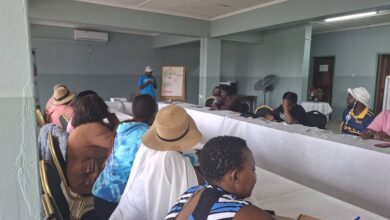
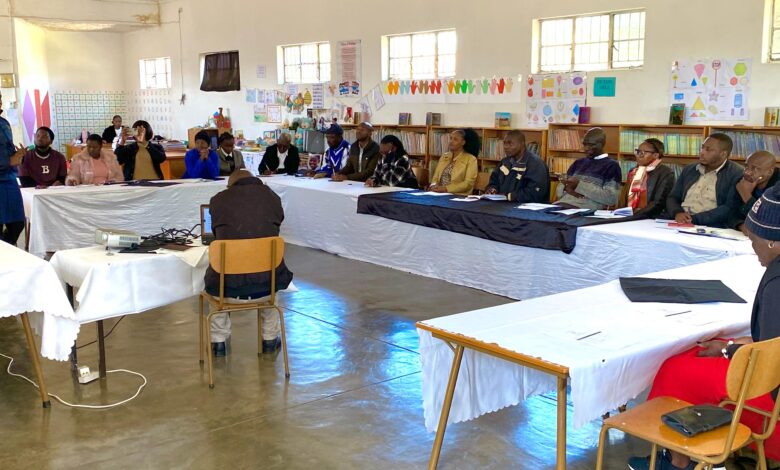
Hivos’ approach is solution-driven, and it builds wider movements for change by amplifying and connecting voices.They targeted 60 youths and women with disabilities as well as caregivers, reached 75 participants with 42 PWDs present during their capacity building meeting in rural areas.
During community meeting with leadership they targeted 40 community leaders and reached 41. During meeting Indabas between duty bearers and PWDs they targeted 60 people from both groups and reached 72. Recognising the exclusion of women, youths, and PWDs from community development committees in rural areas, the NFT took it upon themselves to educate local leaders on the importance of inclusivity.
Nkomwa Foundation Trust Director, Pick Nkomwa, highlighted the success of their projects in empowering people with disabilities.
“PWDs are often excluded from community development committees, which can lead to their needs being overlooked and their benefits being limited. Without representation, PWDs lack a voice to advocate for projects that could empower them economically and improve their livelihoods.”
This prompted us to engage with local leadership, women, youths, and persons with disabilities (PWDs) at the ward level, raising awareness about the importance of inclusion and its benefits for their communities,” he said.”
Engaging the targeted groups in Ward 2 Datata and Ward 18 Buvuma, presented an opportunity for the groups to collaborate on developing solutions to address the unique challenges they are facing.
“PWDs highlighted significant barriers to accessing education, including limited resources such as wheelchairs, lack of sign language interpretation, and braille materials for those with visual impairments. They also expressed interest in projects that could support and empower PWDs.”
Duty bearers acknowledged the concerns raised by PWDs and pledged to address them, ensuring inclusivity. However, they noted challenges, such as the feasibility of providing individualised sign language instruction in schools. Instead, they suggested establishing a specialised center where PWDs could access education and receive instruction from a dedicated teacher,” Nkomwa explained.
He also added that “Our roadshow in Gwanda Urban was also a huge success, with many people gaining valuable insights. We extend our gratitude to all stakeholders who supported us during this project, and our funding partner Hivos. We look forward to continuing our collaboration to address the remaining gaps in Gwanda, striving for a fully inclusive district,” he said.
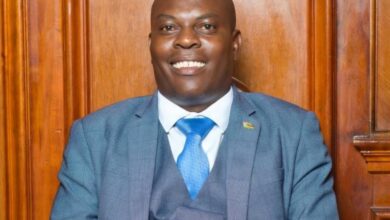
Gwanda District’s Principal Administrative Officer, Thulani Moyo, praised the project for enlightening leaders on the significance of inclusion, highlighting its positive impact on the community.
“The 3 month project implemented by NFT in our district has been instrumental in helping leadership recognise that PWDs are equal people deserving of the same opportunities as able-bodied individuals.”
It is essential for the public to recognise the importance of involving persons with disabilities (PWDs) in committees and decision making processes, ensuring their voices are heard and valued,” he said.
He also expressed that there are still gaps to be covered.”While we are pleased with the project’s impact, our experience in Wards 2 and 18 highlights that similar challenges likely exist in other wards, underscoring the need for continued support and inclusivity efforts.”
We are thrilled that the project’s focus on inclusivity aligns with the Government of Zimbabwe’s initiatives. We hope that when funds permit this project can continue to transform Gwanda into an inclusive and accessible district,” Moyo said.
PWDs are still left out of decision making and community development committees in many communities around Zimbabwe even though they have the right to partake in decision making and joining committees as other people.Despite their rights, persons with disabilities (PWDs) are often excluded from decision-making processes and community development committees in many Zimbabwean communities, hindering their full participation and contribution.