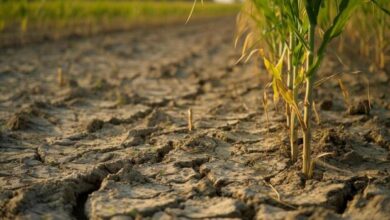
Bubi villagers seek improved infrastructure to combat climate change

Thembelihle Mhlanga
Sylvia Matema, a resident of Molo village in Bubi District, passionately lays out the aspirations of the community. “We yearn to improve our lives, protect our environment, and elevate our village,” she says. “A standard settlement plan is key. It would allow for piped water and electricity, both essential for progress. We also aim to transition away from using firewood, a major cause of deforestation.”
Khangelani Mlilo, another villager, highlights the urgency of addressing deforestation. “Our forests are dwindling due to constant firewood use. We need sustainable alternatives,” he says. “A well-planned settlement would enable the government to support us in adopting cleaner energy sources, reducing our environmental impact.”
Village Head Nkanyiso Dube echoes these concerns, emphasizing environmental protection. “We are united in calling for improved infrastructure to combat climate change and deforestation. Access to clean energy alternatives is crucial for our sustainable development,” he states.
Molo village, like many others in Zimbabwe, faces climate change consequences – prolonged droughts, erratic rainfall, and diminishing water sources. Extensive firewood use has worsened the situation.
To address these issues, Molo is urging the government, traditional leaders, and the local council to prioritize a standard settlement plan with sustainable energy solutions. This would provide access to piped water and electricity while facilitating the shift from firewood.
The plan involves strategically placed boreholes for consistent clean water supply throughout the village. Additionally, efforts would focus on introducing alternative energy sources such as solar power and clean cooking technologies, reducing reliance on firewood and deforestation.
By embracing these changes, Molo villagers aim to protect their environment, preserve forests, and contribute to global climate change efforts. They believe collaboration with the government, traditional leadership, and the local council can lead to a more sustainable and prosperous future.
The villagers are hopeful their pleas will be heard. They recognize that transitioning to cleaner energy and adopting sustainable practices can improve their lives and preserve Zimbabwe’s natural resources.
Molo’s plight serves as a stark reminder of the urgent need for comprehensive infrastructure development, local authority support, and collective action in the face of the climate crisis. Through collaboration, innovation, and sustainable practices, Zimbabwe can address climate change impacts, enhance rural communities’ well-being, and protect its precious natural heritage.
While efforts to reach Bubi Rural Council chairperson Thembani Khumalo were unsuccessful, Lupane East Member of Parliament, Phathisiwe Machangu expressed support for Molo’s aspirations. “I agree with their desire for a modernized village settlement,” she said. “However, it’s crucial to follow established guidelines and laws. By following the necessary steps, we can ensure a sustainable and inclusive development that benefits the entire community.”
Machangu emphasizes the need for a comprehensive approach that considers the well-being of all stakeholders.