Artists Unite for Change: 16 Artists for 16 Days Campaign
By Nobukhosi Ndlovu
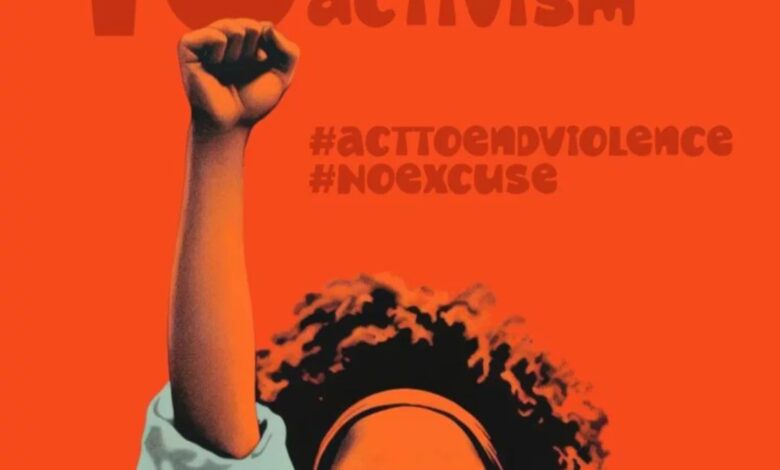
A collective of Bulawayo-based artists has come together for the 16 Days of Activism Against Gender-Based Violence to challenge online abuse towards girls and women through a creative campaign called the 16 Artists for 16 Days.
The initiative is being led by writer, director, and actress Sindiso Phiri, who said the idea grew out of her desire to see the artists coming together for a good cause.
Phiri, when asked about the inspiration behind the initiative, explained that she had long hoped for local creatives to come together and collaborate under the 16 Days of Activism Against GBV. After waiting for an invitation that never came, she realised she could create the platform herself. “I had been waiting for invitations from other artists to come together and do something for this year’s 16 Days of Activism,” she said. “Then I realised I didn’t have to wait for invitations, I could initiate something.”
Her goal is to promote unity within the arts sector while championing the dignity and safety of women and girls both online and offline. “We wanted to speak the language of unity in arts for the dignity of all women and girls online and offline as per the UN Women’s goals for the 16 Days of Activism theme.” She explained.
Although the initially plans were including outreach programmes in tertiary institutions through a partnership with the Female Students Network Trust, the exam season made it impossible. Instead, the campaign shifted online, using platforms such as Instagram, Facebook, TikTok and WhatsApp to spread key messages about digital safety, respect, and responsibility. Beyond the virtual activities, the campaign also scheduled two physical events, a youth engagement session on 6 December at the Anglican Church in the CBD, and a concert with a theatre production feature on 13 December at the Oasis. Proceeds from the arts event are set to support a pad drive benefiting incarcerated women.
Phiri also shared that the reaction to the campaign had revealed how so many aspects of digital violence had been overlooked by people. She highlighted that harmful online behavior, including sharing explicit images, demanding nude photos, or circulating revenge content had become so normalised that people rarely paused to consider the real-world damage. She then reflected on how very few Zimbabweans are aware of existing laws on cybersecurity, data protection, and privacy, despite being active members of the digital community.
Among the creatives who joined the movement was hip-hop artist Tabaka Precious “TBK” Moyo, known for her AfroTrap sound. Moyo spoke about how she joined the campaign after recognising how urgently digital abuse needed to be addressed. “I felt it was something that spoke to me,” she said. “ I want to help spread the word on how people can respond to cyberbullying and protect themselves. I have experienced it myself, people think that because you are a female, you can’t fight back.”
TBK noted that although the campaign was still in its early stages, it had already created a space for female artists to exchange knowledge and empower one another. She said she expected more outreach activities to roll out as the campaign grew and hoped the message would reach broader communities. While she had not yet received extensive feedback from the public, she anticipated positive engagement as the initiative continued.
Maggie Soul Bird, a singer, songwriter, poet and author, another participant of the campaign explained that her role is a balance of absorbing and sharing. She shed light on the reality that people carry experiences of online bullying and harassment whether first hard or through empathy. She explained that for the campaign, as artists, they translate those experiences into music, poetry and stories. “My hope is for unity, honoring privacy, respecting each other on social platforms and harnessing those spaces for they good they can bring,” she said.
Looking ahead, Sindiso Phiri said the campaign would become an annual programme, maintaining its concept of featuring 16 artists each year. She also shared that there would be plans to launch a podcast during the final three days of the campaign, with hopes of continuing it as a long-term platform for dialogue on digital safety, gender equality, and women’s rights.
The 16 Artists for 16 Days campaign has demonstrated how creative voices could influence social conversations and challenge harmful norms. By standing together, the artists are not only raising awareness but also encouraging communities to build a safer, more respectful digital environment for women and girls across Zimbabwe.