Accountability Lab Zimbabwe sounds alarm on urban mining challenges

Providence Moyo
Bulawayo, Zimbabwe – Accountability Lab Zimbabwe (ALZ) has called for intensified efforts to address environmental degradation and health risks faced by mining communities in Bulawayo.
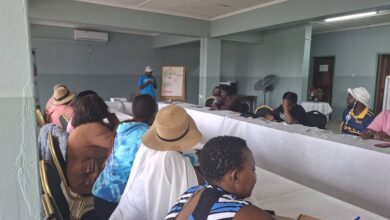
During a virtual discussion hosted by Community Podium, ALZ Media and Communications Officer Bathabile Dlamini stressed the need for continued advocacy.
“There is a clear need for continued advocacy to drive effective change that prioritizes the health and environmental well-being of residents.”
This follows the release of Accountability Lab’s documentary, “Time Bomb: The Impact of Urban Mining on the City of Bulawayo”. The documentary highlights devastating effects of illegal stream bank mining, including soil erosion, river diversion, and ecosystem disruption.
“Our goal was to amplify community voices and highlight how urban mining is not confined to Pumula but is a challenge impacting the entire city—and potentially the entire country,” Dlamini explained.
The documentary exposes dire consequences of unchecked mining activities, including cracking houses and environmental degradation. One of the critical issues that was uncovered was the connection between water challenges plaguing the city of Bulawayo with illegal mining activities occuring alongside the UMzingwane catchment area. The documentary revealed that the Illegal stream bank mining which is occurring is stripping away the soil, destabilising the banks, and diverting the course of the rivers and there is an imminent fear that the dams may not fill up as a result.
In response to the mining injustices, Pumula youths initiated an arts project, “Talk to Me Nicely,” championing the mining discourse. The project tackles sexual exploitation, cheap labor, land degradation, and lack of corporate social responsibility in quarry mining.
Group member Stanley Moyo emphasized, “This project is a vital source of calling for justice through drama where we are trying to let the minors know of our grievances not through riots and protests but through drama”.
The undeniable reality that mining is necessary for the economy was also acknowledged by some residents who look up to relevant authorities to monitor and ensure there is transparency and mining companies are compliant to the laws governing their operations.
“Residents have consistently recognized that mining is a backbone of the economy, which creates a valuable opportunity for collaboration. It opens the door for co-creating solutions with mining companies and duty bearers, ensuring that all stakeholders work together to address the challenges and find sustainable, mutually beneficial outcomes,” advised Dlamini.
The community has made several proposals to tackle the issues they are faced with, where they are calling for a thorough review of existing policies and bylaws to safeguard residents’ interests. Additionally, stakeholders emphasize the need to rationalize urban mining zones within the city’s master plan to ensure safety and sustainability.
Residents are advocating for the right to reject mining proposals that are too close to residential areas and for strengthening the enforcement of existing mining regulations. They have further suggested expanding the conversation on urban mining into a national dialogue, incorporating diverse voices and perspectives to enrich the discussion.