Impacts of mining in Zimbabwean communities, a ticking time bomb
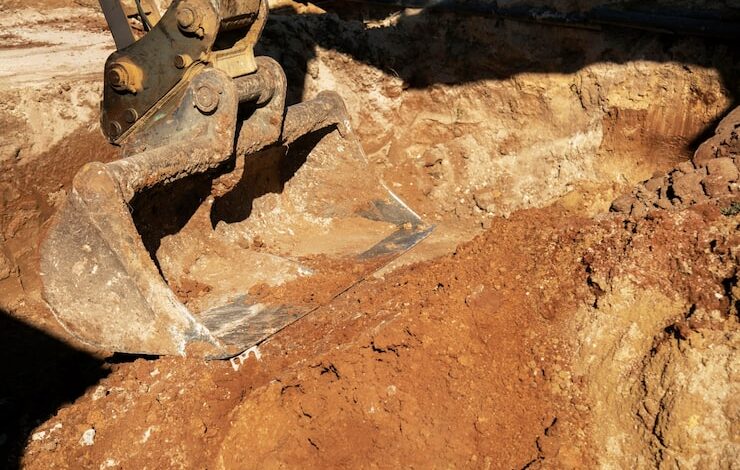
Image Source: Freepik
By Nobukhosi Ndlovu
Environmental activists continue to alert communities in Zimbabwe about the negative impacts of mining, urging them to strengthen their policies and protect what’s left of their natural resources.
Conducted research across the nation has revealed how mining activities in most parts of the country has left communities struggling to cope with the after effects.
Environmentalists and climate change advocates have stressed that in as much as the sector contributes to 12% of the gross domestic product, (GDP), it is crucial to start putting in place mitigation measures and policies that will govern the unsustainable mining that has been established in many parts of the nation.
Midlands State University Law Review Special Edition 2025 has also provided key findings where the researchers argued that artisanal and commercial mining activities have led to deforestation, loss of biodiversity and siltation.
The rise of unsustainable miners throughout the nation, some as a desperate means to earn a living and others through not having legal backing has led to irresponsible mining activities, which have caused harm in communities.
The research went on to highlight how the communities in the Mutare region are battling with the consequences of irresponsible mining.
“The mining process has diverted the Mutare River, causing heavy siltation and contamination by mercury,” one of the researchers stressed.
They explained how these mining activities have mostly affected women since they rely on natural resources like trees for wood and water for washing and cooking.
“Illegal alluvilan mining in Mutare has also disrupted the river course, forcing the women to travel long distance in search of clean water,” they added.
Respondents in the communities also shared how mining activities have had health risks such as cholera, diarrhea and potential mercury poisoning from water sources.
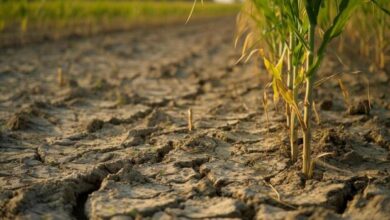
Chemicals that are used for mining processes like mercury are harmful to the ground, which makes it hard to farm and for the people to sustain their living. People in the community shared in the research that they need other ways to earn money so they don’t have to rely on poor farmland.
The findings from the article also noted how the blasting from mining causes the ground to shake, spreads dust and rocks, and sometimes blocks roads to important places like the clinic and school.
Small-scale miners also leave behind open pits, which are dangerous for children and animals. More traffic from mining trucks creates a lot of dust, leading to breathing problems that mostly affect women, who also have to take care of their families.
Researchers, Enock Musara and Takudzwa Chidembo explained that traditional authorities are largely considered the custodians of indigenous knowledge systems and are expected to stand with their constituencies in times of need especially in the face of climate change.
“In much of Africa, traditional leaders have the power to allocate rights to communal land and ensure that their members use the natural resources on a sustainable basis and in a manner that conserves the environment and maintains natural ecosystems for the benefit of all persons,” their article highlighted.
Despite its disadvantages, artisanal mining provides significant economic benefits. It offers employment, and develops local economies, to which then the call to action made by the Center of Natural Resources Governance is one to heed, as it urges the government to implement environmental policies that will protect both the land and the people.