Matabeleland youths gain tools for green economy

By Sihlobo Bulala
Youths from the southern region of Zimbabwe are being empowered with green skills vital in the transition for green economy as an avenue that has been identified as a transformative opportunity to address both youth unemployment and environmental degradation.
The youths, selected from Mat North, South and Bulawayo are participating in a 3-day Green Jobs Boot Camp organized by the Women’s Institute for Leadership and Development (WILD) in partnership with SAYWHAT, and Save the Children under an EU funded project titled Youth Collective Action for Social Transformation (YCA4SoTra).
The objectives of the boot camp include raising awareness among youths about potential green economy projects in Zimbabwe and building practical skills in green jobs spanning across various sectors, including renewable energy, climate-smart agriculture, waste management, and evolving to also include the greening of existing jobs. The activity also aims to promote youth-led green innovation and entrepreneurship, and to connect youths with green job networks, mentors and funding pathways.
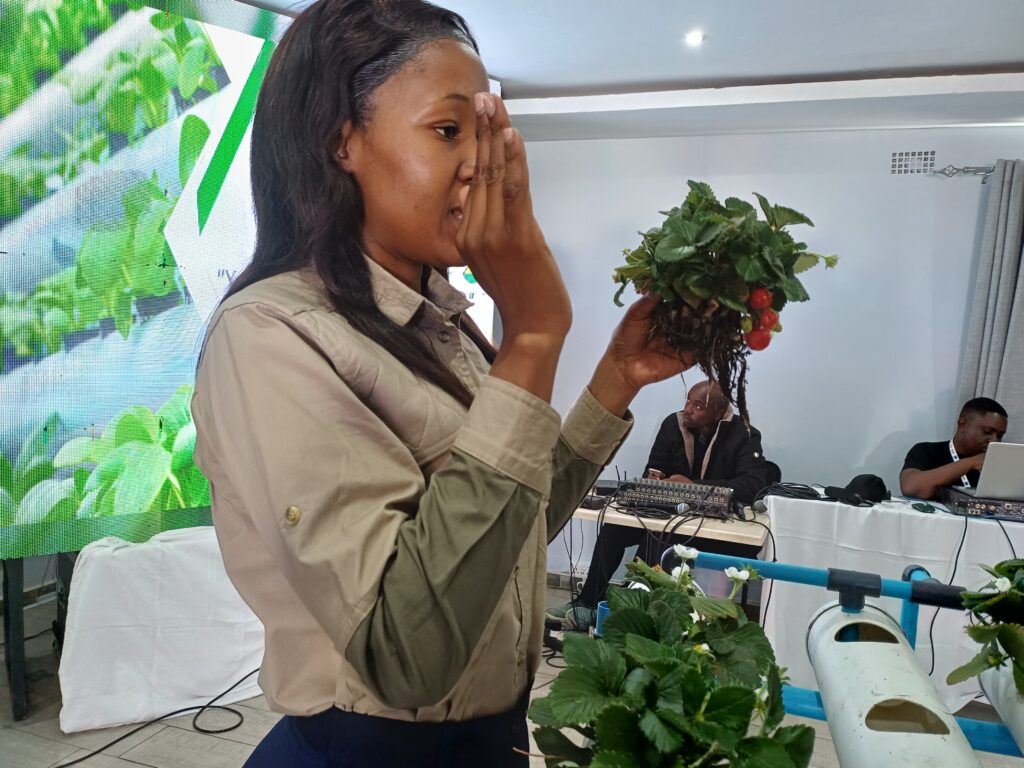
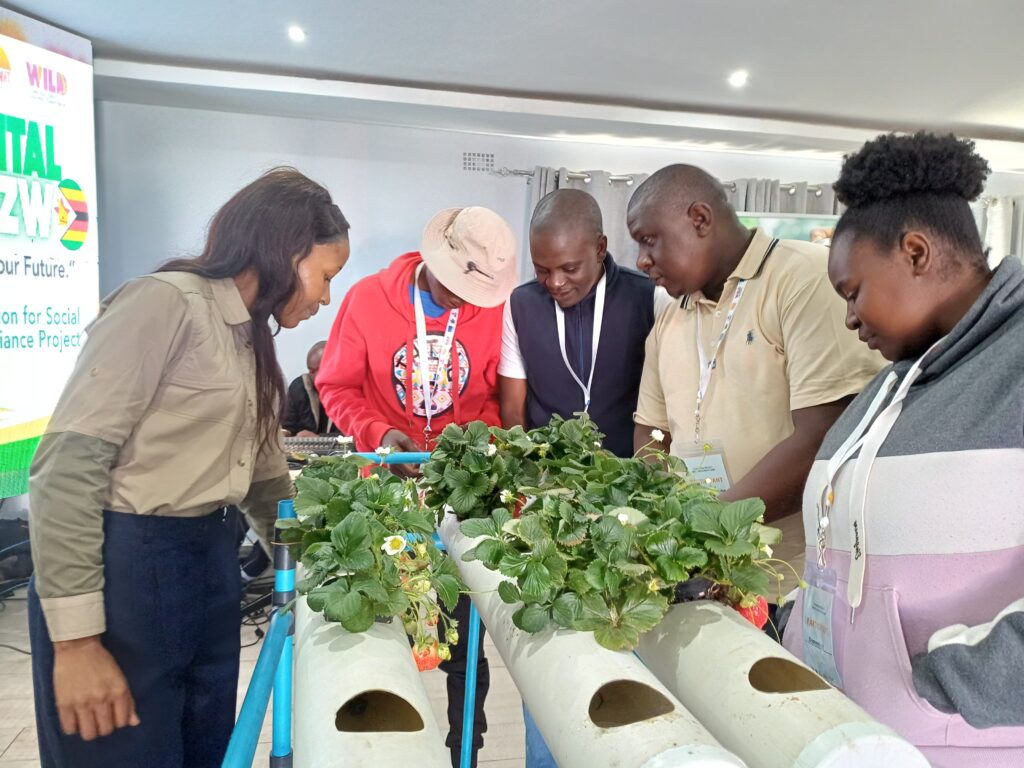
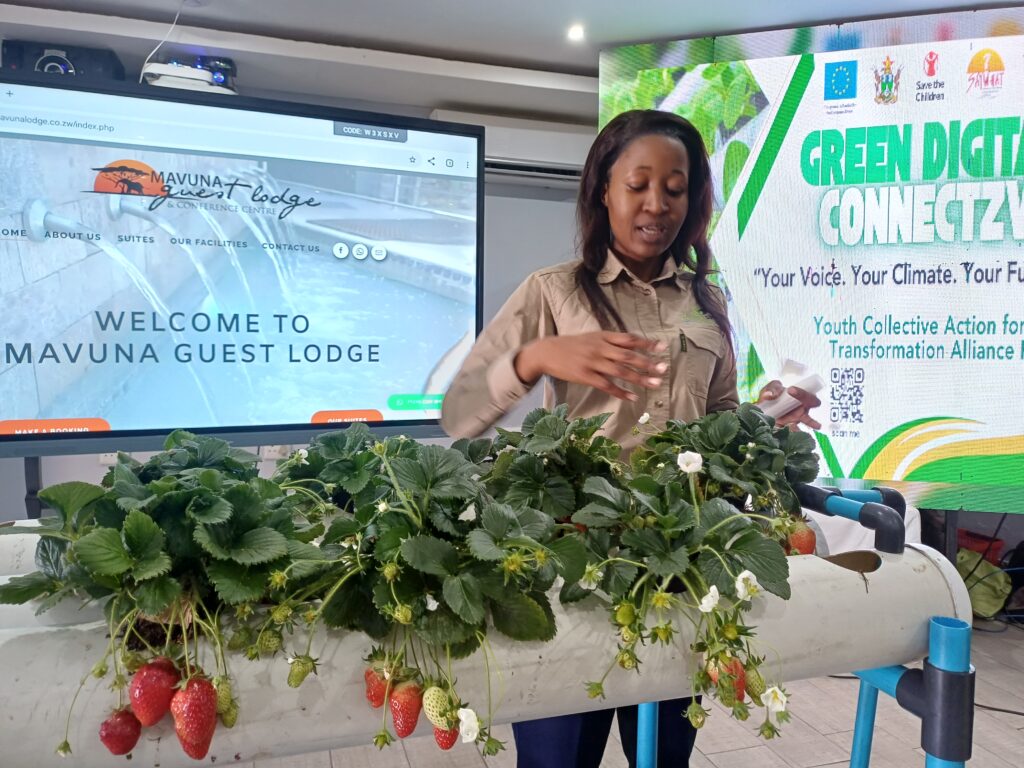
Leading a technical green skills lab during the boot camp, prominent hydroponics entrepreneur, Ntombifikile Ncube urged young people to pursue projects that are economically viable, noting that in as much as an idea can generate impact for the community, it must also reap personal benefits. More so, she encouraged youths that green opportunities do not only mean starting a new business, but also innovating around what already exists.
“When people are thinking about green businesses, they think of starting new businesses. You see people going to ask AI what new ideas one can start for a green business. We think too much. When we are talking about green businesses, we are not saying start a new business. Instead of starting a new business, you can improve processes in your own existing business. You can now then ask yourself how you can green the business you already have. For example, you can redesign your products and services using eco-friendly designs,” she said.
Sinqobile Ndlovu, principal director of Wezesha Industries, a social enterprise that adds value to plastic, paper and metal waste also had an opportunity to share how they transform the waste into value added household and decorative products. She applauded the creation of such empowering platforms, highlighting their importance in bridging the knowledge gap.
“Starting a business and turning an idea into a viable business can be a very difficult task, and it is even more so difficult to turn a green business into a viable and more competitive business, therefore these platforms are important because they bring young people to gain skills that are needed to build their green ventures. Without such platforms, the prospects of young people succeeding in green businesses could be dismal,” she said.
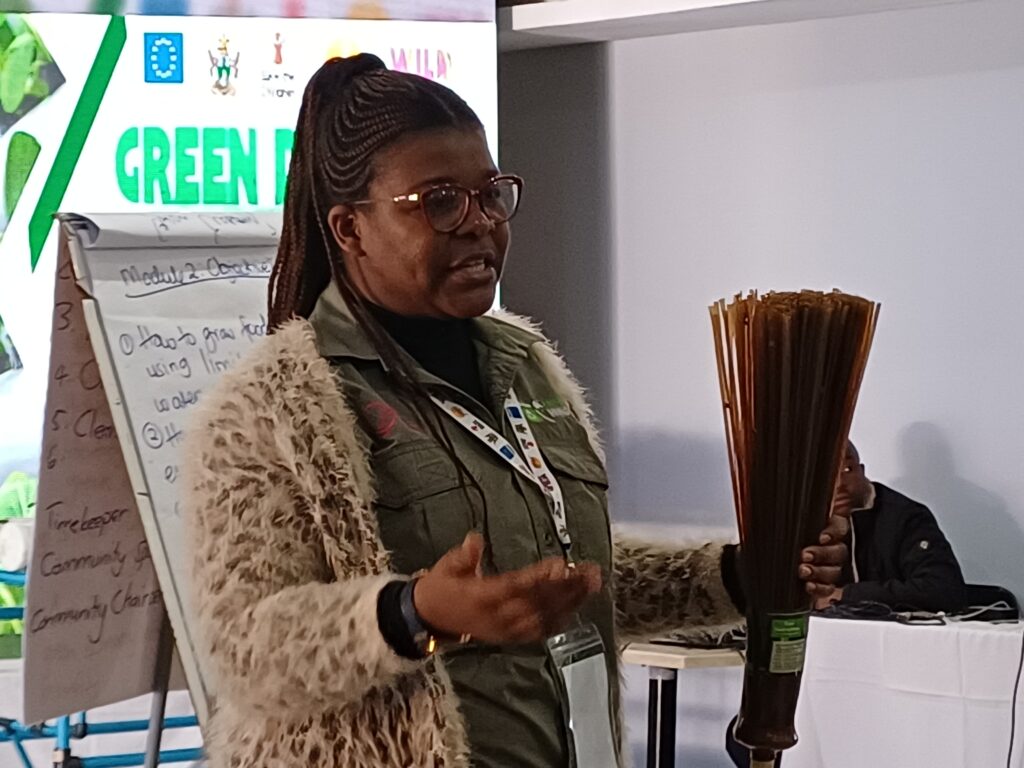
The platform gave young people an opportunity to reflect on challenges that are affecting them in their respective areas, and to use the knowledge gained to determine how they could address them.
Thapelo Magabo, from Beitbridge highlighted that border towns can be susceptible to waste and littering challenges due to increased human activity, also noting that the Beitbridge border is the crucial trade hub for the Southern African region.
“I realize that Beitbridge as a border town receives a lot of litter from people who are travelling. I have learnt that we can actually use that disadvantage to our own benefit as youths so that we can generate income from that waste,” he said.
Sandra Annacletta Moyo, one of the participating youths from Matobo also highlighted waste as a challenge experienced in her community. More so, she highlighted that there is need to also take such platforms to where most youths are so that they benefit in numbers.
“Where I come from, we have an issue of waste management where a lot of people just throw litter around. I have learnt that you can actually recycle the bottles. I think this program can empower more youths from areas of Maphisa, Matobo at large by actually going into the spaces where the young people are. They can be taught more about these skills, how to use waste, where instead of seeing dirt, they can see a profit-making business that actually conserves and protects the environment,” she said.
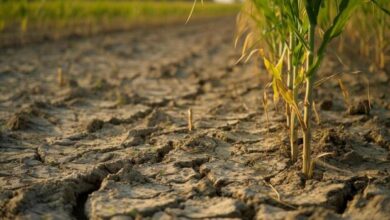
The participating youths come from dryer regions that experience intense climate change effects including drought, erratic rainfall and environmental degradation, thus affecting agricultural productivity and water security. The socio-economic, and environmental impact of climate change, coupled with economic inaction leads to many youths becoming entrenched in the cycle of poverty, making projects that speak to their needs relevant and urgent.