Farmer Field Days promote adoption of sustainable agricultural practices
By Jonah B Moyo
Farmer exchange programs, commonly known as field days, have been identified as crucial in replicating sustainable agricultural practices as they foster knowledge sharing, practical demonstrations, and peer-to-peer learning.
Speaking in an interview with Community Podium, Food Justice Network Projects Lead, Rukudzo Kavumbura highlighted that field days serve as a platform for farmers to learn, share experiences, and see the practical application of new technologies and techniques, ultimately leading to wider adoption of sustainable methods.
“Hands-on learning has proved to build confidence in adopting taught methods. These events create a space for farmers to share experiences, challenges and solutions amongst themselves, in a way promoting farmer-to-farmer knowledge transfer,” he said.
“These exchange programs also help to merge diverse perspectives as they bring together farmers, researchers, policymakers and agricultural experts which essentially helps in scaling agroecological models by integrating them into local policies,” he added.
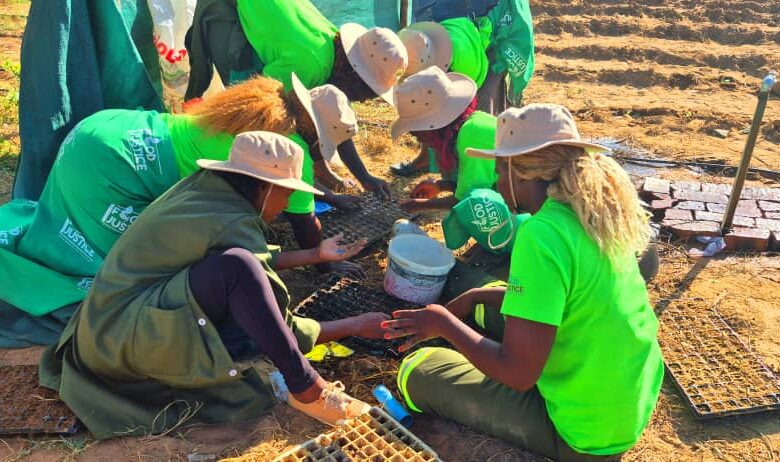
Food Justice Network is currently implementing a Feminist Agroecology Model Schools (FAMS) project which through its partners seeks to promote replicability of the agroecological practice. The project partners, which include Chipochashe Junior School as the capital demonstration hub for the project, are open to agricultural enthusiasts and passionate farmers who want to learn about agroecology.
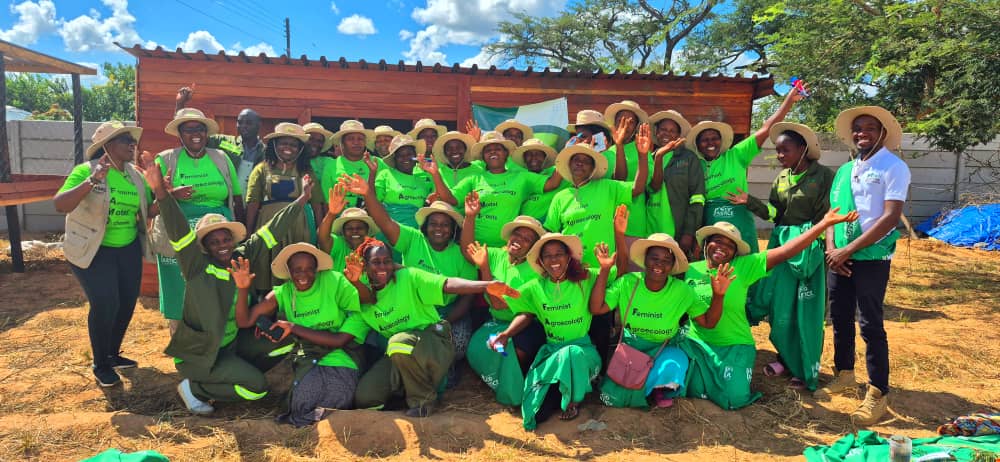
“Knowledge-sharing platforms are essential for farmers because they enable the exchange of best practices, innovative techniques, and local solutions to the prevalent agricultural challenges. The Chipochashe Agroecology Model School will welcome people from within and outside the community who will be guided through the centre and its facilities by assigned personnel to ensure an active learning experience,” he shared, further highlighting that the only requirement for access would be registration of interest with the personnel.
In Matabeleland South, farmers with impressive yields this season have hosted field day celebrations, where they showcased their resilient crops and shared techniques with fellow farmers who gained valuable insights from top performers, learning smart agriculture practices such as crop diversification and agroecological techniques to enhance harvests and food security.
Misheck (76) and Smangaliso (60) Sibanda, an inspiring elderly couple from Crystal Springs farm in Gwanda, hosted a field day celebration sharing their success story of growing 7 hectares of SC Smile sorghum amidst climate change. Their experience and knowledge benefited fellow farmers, showcasing resilience and adaptability in agriculture.
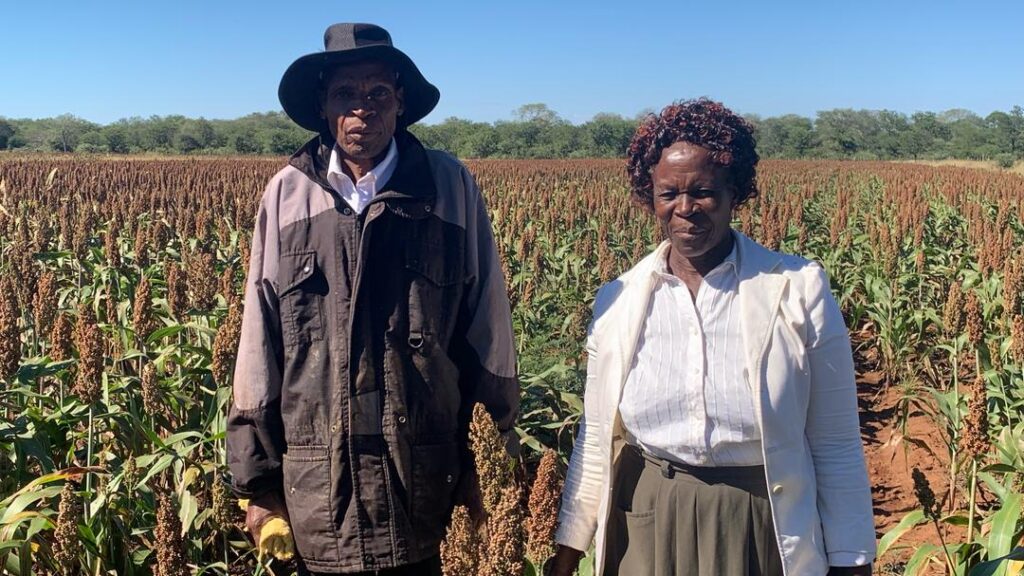
“When climate change impacted traditional farming practices, we adapted by developing smart farming methods. During ploughing, we used donkeys and cows, planting sorghum every 4th row after skipping 3 rows. This technique promotes ventilation, shielding our crops from excessive heat and allowing them to grow freely,” said the Sibanda Family who encouraged other farmers to plant crops that are favorable for their region.
The Sibanda family’s adoption of other agroecological principles has impressed other farmers who attest that embracing this approach can promote ecological balance and resilience in the face of climate change.
“We have adopted sustainable agroecological practices to combat climate change and promote eco-friendly agriculture. By implementing small-scale livestock keeping, utilizing organic fertilizers, and conserving water. We utilise cow dung as organic fertilizer, boosting soil carbon and promoting soil health. Unlike chemical fertilizers, which can degrade and leach nutrients from the soil, our organic approach ensures sustainable fertility. After harvesting sorghum, we also use the stalks as valuable livestock feed, maximizing resource efficiency,” said Sibanda.
The Sibanda family has also incorporated a vegetable garden into their farm, growing vegetables, tomatoes, and onions. To conserve water, they use drip irrigation systems, which reduce water loss and helps their crops thrive in the heat. The family also mulches their vegetables to retain moisture and protect them from direct sunlight.
David Drumond, Director of Drumond Ranching who attended the Sibanda family’s field day shared that he gained valuable insights into sustainable agricultural practices.
“I have learned a great idea from the Sibanda family and I’m planning to conduct further research and collaborate with Agritex officers to adopt these innovative farming techniques. Their success with 7 hectares of SC Smile sorghum is inspiring, and I believe it can contribute significantly to enhancing food security in our country,” he said, further expressing that field day celebrations are invaluable for farmers as they are a platform to share knowledge and adopt smart farming practices that enhance food security.
“We should organize more events like this to foster collaboration and innovation among farmers,” said Drumond.
Neighboring farmer Ndodana Sibanda from Driehoek Resettlement who specialises in Sugar Beans shared his insights about the importance of this day.
“This field day has been enlightening, showcasing climate-resilient crops like Smile sorghum, which thrives in our region and is bird-resistant. I have also gained valuable knowledge on marketing farm products to the Grain Marketing Board. We would love to see more events like this every season to stay motivated and inspired,” he said.
Another local farmer from Gwanda South, Ntombiyosizi Moyo, recently hosted a successful field day celebration on her farm, showcasing the benefits of practicing Pfumvudza/Intwasa.
“The changing climate demands innovative farming approaches. I adopted the Pfumvudza/Intwasa method, including gatshompo, and despite the challenges, I persevered and prepared my field. When the rains came, my sorghum thrived, and I’m now enjoying a bountiful harvest. This experience will boost traditional grain production in our country, and I am proud of the results,” she said.
Matebeleland South Province Agritex Acting Deputy Director, Mr. Bhekilizwe Ncube, said the field day celebrations will motivate other farmers to plant drought resistant crops like sorghum and adopt sustainable agricultural practices like agroecology.
“These celebrations will enlighten farmers on the benefits of agroecological farming, which promotes ecosystem balance and resilience to climate change. By adopting practices like small-scale livestock management, farmers can maintain healthy grazing lands and improve their chances of success. I hope attendees will take home valuable techniques to enhance their climate resilience,” he said.
Currently, field days in Zimbabwe have had a greater focus on showcasing best agronomic practices, improved seed varieties, and climate-smart farming techniques. However, with more emphasis being pronounced on the effectiveness of agroecological principles, when they are fully adopted, field days would evolve to emphasize ‘closed-loop farming systems’ where waste from one enterprise becomes an input for another.
“Instead of relying on external inputs, farmers would learn how to utilise natural resources, save and exchange seeds, and integrate livestock with crop production. This would shift focus from conventional farming to biodiversity conservation, food sovereignty, and ecological balance,” said Kavumbura.