
Urban women take centre stage in cropping season
Kelvin Kutinyo
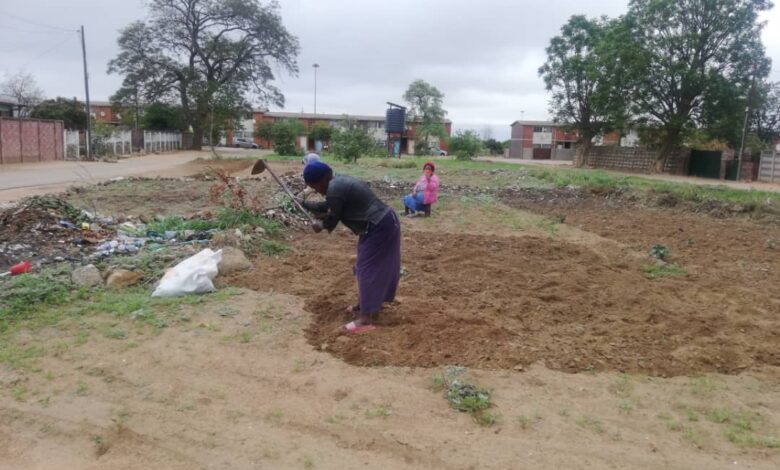
The farming season has kickstarted both in rural and urban areas were a large portion of women are partaking as a means of empowerment, food security and income generation to combat soaring rates of unemployment and poverty in the country.
A familiar sight is emerging, as a growing number of women rise with the sun, armed with hoes, satchel of food and plastic bags filled with seeds, ready to face a productive half-day in the fields.
Urban farming has become a vital lifeline for many households as it provides an opportunity for food production, reducing the reliance on purchased produce, which alleviates some of the pressure in the household budget.
Speaking during an interview Mrs Shiella Motsi who owns a piece of land behind the National railways workshop highlighted that over the past decades her family has been surviving from urban farming.
“We have practiced farming ever since we arrived in Bulawayo back in 1999, these small portions give us some income. We sell boiled and braaid maize and ground nuts locally and many people enjoy our produce. We are only hoping that the rains do not dissappear like last year,” said Mrs Motsi.
Most men in urban areas are more involved in formal employment and other income generating activities that are often more lucrative than urban farming.
However the challenges facing families in the country including high unemployment rate and economic instability has double increased the urban farming activities to alarming levels as it has become an attractive option for many women.
Retired nurse Mrs Rhodes, a proud urban farmer of “Minda Murefu”, situated after United College of Education (UCE) between Richmond and John Love Race Course, beamed with optimism, saying the rains signal the return of the glory days for local farmers.
“It has since rained, the soil is wet, and we have started farming. Our land produces quality maize if the rains are not disturbed. The lands are obviously fertile because of last seasons flop. We abandoned the stunted produce, so it turned to manure. We benefit a lot from farming despite the distance we walk from our homes to the fields.”
“The only challenge that we face is thieving as this place houses a lot of homeless people who take advantage of our absence by stealing our maize and selling it in the cbd, we just hope this time around they respect our efforts,” said Mrs Rhodes.
While many women own the land they farm on, others are generating income through informal employment arrangements popularly known as piece jobs, such as ploughing fields for landowners, highlighting the diverse ways women are engaging in agriculture to make a living.
The previous farming season was marred by devastating losses as the El Nino-induced drought transformed once thriving farms into barren wastelands, plunging many farmers into severe poverty and despair. Heavy rains predicted by the Meteorological Service Department of Zimbabwe have sparked optimism among farmers, driving a surge in urban farming in Bulawayo as residents capitalize on the favorable weather forecast.


