Finding Strength in Identity: A LGBTQ+ advocate’s story

Sibongile Dube
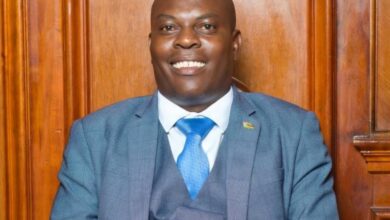
Discrimination and marginalization are deeply ingrained in Zimbabwean society, posing unique challenges for those who dare to assert identities outside the mainstream. Prince Kahari, a courageous advocate for the rights of LGBTQ+ and sex worker communities, shares his personal experiences of navigating a heteronormative world. From battling misconceptions to finding solace and strength within a supportive community, Kahari’s journey offers a glimpse into the resilience required to thrive in a landscape often hostile to difference.
One of the most persistent struggles for Kahari and countless others is accessing healthcare. Misgendering is a constant hurdle. Healthcare providers often rely on stereotypical assumptions, addressing Kahari as “he” based solely on appearance. “Every time this happens,” Kahari explains, “I feel like a part of me is being torn apart. It becomes emotionally draining to undergo HIV and AIDS tests, STI screenings, or seek help.” Compounding the problem are data collection forms that lack options for gender-diverse individuals, further marginalizing this population and obscuring the true scope of their healthcare needs.
This lack of visibility extends beyond healthcare. After the recent elections, Kahari spoke with transgender members of his movement, discovering a disheartening statistic: 80% did not participate. “This disengagement highlights a critical gap – the government lacks understanding of the issues preventing transgender individuals from exercising their democratic right to vote,” Kahari observes.
Kahari’s own story is a testament to the human rights abuses faced by LGBTQ+ and sex workers. He recalls a harrowing experience of unlawful detention at the Senga police station, subjected to physical and verbal abuse. “We were named ‘ngochani dzasungwa,'” Kahari remembers, highlighting the dehumanizing language used. Such incidents are far from isolated, with extortion and violence a normalized part of their daily lives.
Despite the adversity, Kahari has developed an unwavering strength. Leading an Affirmative Affinity Group supporting over 145 individuals, he recognizes the responsibility of providing mental and emotional support within a hostile environment. Kahari embraces fluidity in gender identity, explaining, “From a young age, I understood that gender, sexuality, and identity are fluid concepts. Therefore, I have never felt compelled to conform to heteronormative standards.” However, safety often necessitates code-switching and conforming to traditional gender norms in potentially risky situations. “When I perceive spaces as potentially harmful due to my gender nonconformity, I retreat and conform to traditional gender norms,” Kahari explains.
Beyond physical safety, Kahari confronts a barrage of misconceptions – some labeling his identity as demonic or claiming LGBTQ+ individuals are inherently wealthy. He counters these narratives by emphasizing the spiritual diversity within the community. “If heaven is intolerant of LGBTQ+ individuals, then it is not a place I aspire to be,” Kahari states firmly. He also dismantles the misconception of wealth, highlighting the economic hardships faced by many LGBTQ+ people. “Poverty is a significant issue within the LGBTQ+ community, with a majority facing unemployment and economic hardships,” he says. The notion that his identity is a medical condition is not only insensitive but simply untrue, as Kahari points out: “I have encountered the notion that my identity is a medical condition, which I find concerning as emotional and physical aspects cannot be resolved with a simple prescription.”
Kahari’s openness about his identity led to a challenging upbringing, particularly with his father and stepmother who struggled to accept him. Finding solace amidst rejection, he discovered a supportive network within the sex worker community, “who understood the struggles of exclusion and marginalization,” Kahari says. His mother has been a steadfast pillar of love and acceptance, and his relationship with his father has shown signs of improvement. Navigating romantic relationships has its complexities, as Kahari has primarily been involved with straight or bicurious men.
Building a safe and supportive space for LGBTQ+ individuals in Zimbabwe remains an uphill battle. Legal and social barriers restrict the formation of strong communities, especially outside major metropolitan areas. Organizations like CESSHAR and North Star Alliance are making a vital difference by providing crucial support services for sexual and reproductive health. However, significant gaps remain in achieving economic empowerment for these marginalized communities.
Prince Kahari’s story is not just his own; it represents the struggles and triumphs of countless LGBTQ+ individuals in Zimbabwe. It’s a testament to the resilience of the human spirit and the power of community in the face of adversity. The fight for equality continues, and Kahari’s voice is a vital addition to the chorus demanding acceptance and inclusion for all.