Information disorders were rampant during election period
Misinformation and disinformation were prevalent during the election period and a significant number of voters were affected, Sunshine Cinema has said.
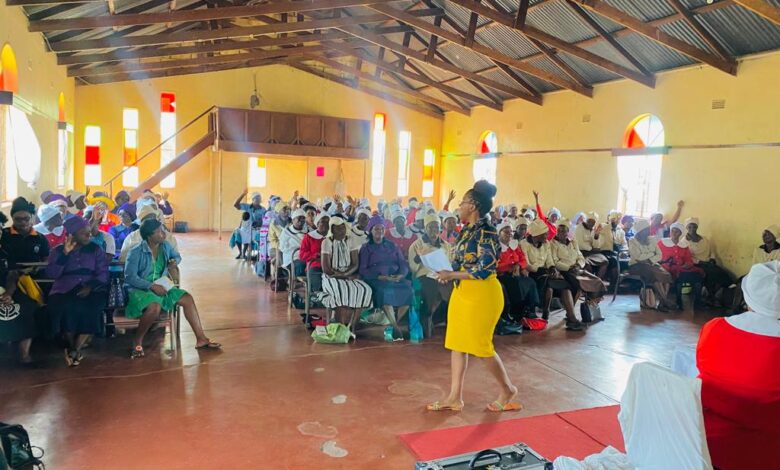
Sunshine Cinema recently held a media literacy engagement with women in Makokoba in a bid to counter misinformation and disinformation that were prevalent in the just ended harmonised election.
The organisation which uses short video clips to inform communities on trending issues, engaged the women to ensure that they effectively navigate media messages and make informed decisions.
Speaking to Community Podium, Programs Manager at Sunshine Cinema, Pretty Nxumalo highlighted that, from community engagements that took place during the election period, the organisation noted that voter registration and voter turnout had been affected by either misinformation or disinformation.
“There are certain people who couldn’t find their names in polling stations where they had registered and then the false information that was circulating is that if your name is not there, it means someone has voted on your behalf so most people didn’t even bother checking their names in other polling stations,” said Nxumalo.
She added that these information disorders lead people to make decisions based on biased perceptions, inaccurate information rather than facts so once there is false or misleading information the voters’ decisions can be easily swayed.
“You find that media is full of bias misinformation, disinformation, malinformation so, having media discussions with women empowers them with critical thinking skills that they need to navigate the media landscape and it also empowers them to make informed choices about the media that they consume and the messages that they come across in their everyday life,” said Nxumalo.
Telisha Sutha, a participant told this publication that some of the ways that can be used by people to tell if a post is fake is monitoring the grammar used.
One of the participants said she had received heart breaking news that turned out to be old news that was still circulating on social media platforms. She added that the training imparted knowledge about some ways of verifying information.
“Today we were taught that we should check the sources of information before forwarding. If you receive a message that you are suspecting is false, it is best you delete it so that false information is not circulated as it disrupts communities in multiple ways,” said Andisiwe Moyo, a participant.
One of the women present at the engagement emphasized the importance of verifying information before forwarding, highlighting that what one shares has the power to assist or hurt the people on the receiving end.
“As women we get misled especially when it comes to issues of technology. When we receive messages from whatsapp groups we should not just forward messages because some of them are fake messages,“ added Prisca Khumalo, one of the participants.