Mangwe’s uphill battle: Fighting HIV in a district on the margins
Lumbidzani Dima
Matabeleland South’s Mangwe and Bulilima districts face a unique challenge in Zimbabwe’s fight against HIV/AIDS. Here, the national dream of zero new infections by 2030 feels frustratingly distant.
The reasons are as complex as the terrain. Resource scarcity, limited healthcare access, and entrenched cultural norms all play a part. But a shadow looms large: migration.
Mangwe, a border district, bears the brunt of this influx. Young people, drawn by the promise of opportunity, arrive from across the country and beyond. Yet, they often find themselves on the fringes of established systems, vulnerable and susceptible to risky behavior. Unprotected sex, fueled by limited access to information and resources, becomes a recipe for disaster.
“Being a border district makes it difficult,” says Community Development Officer Jackson Majoni, his voice etched with concern. He highlights the plight of those who migrate for work, often to neighboring Botswana. “They leave their medication behind, defaulting on treatment and putting themselves and others at risk.”
The story doesn’t end there. Mr. J.Z. Ngwenya, Mangwe’s District AIDS Coordinator, paints a bleak picture of prolonged spousal separation, a consequence of seeking work far from home. This, he says, fuels child-headed families, teenage pregnancies, and a vicious cycle of vulnerability.
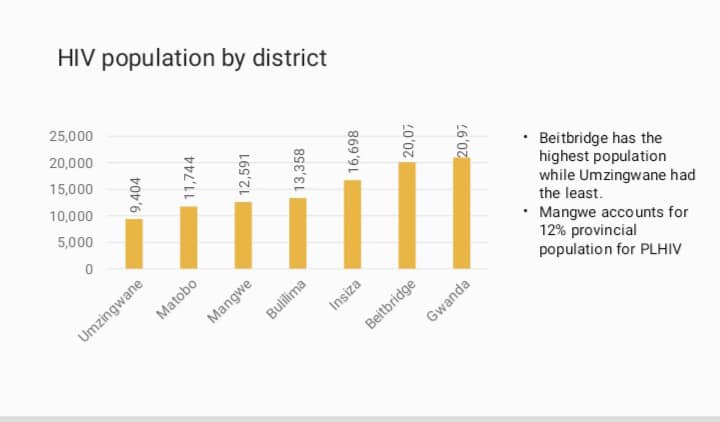
Statistics paint a grim portrait. Bulilima holds the provincial crown for the highest HIV prevalence rate, exceeding the national average by a staggering margin. The entire province, in fact, stands above the national curve, a testament to the challenges it faces.
But amidst the hardship, flickers of hope emerge. Mobile clinics, a godsend in remote areas, bring vital testing and treatment services directly to the people. These clinics, along with community-based organizations like women’s groups and village health committees, are chipping away at the social and economic factors that fuel the epidemic.
The National Aids Council, the government’s spearhead in the fight against HIV/AIDS, acknowledges the challenges but remains resolute. “We are working tirelessly,” affirms Ngwenya, “to achieve our vision of 2030, despite the obstacles.”
The future of Mangwe and Bulilima, and indeed Zimbabwe’s fight against HIV/AIDS, hangs in the balance. It hinges on increased government support, improved data collection, and unwavering efforts from communities and international partners.