Smallholder farmers gain new skills in value addition and market readiness
By Staff Writer
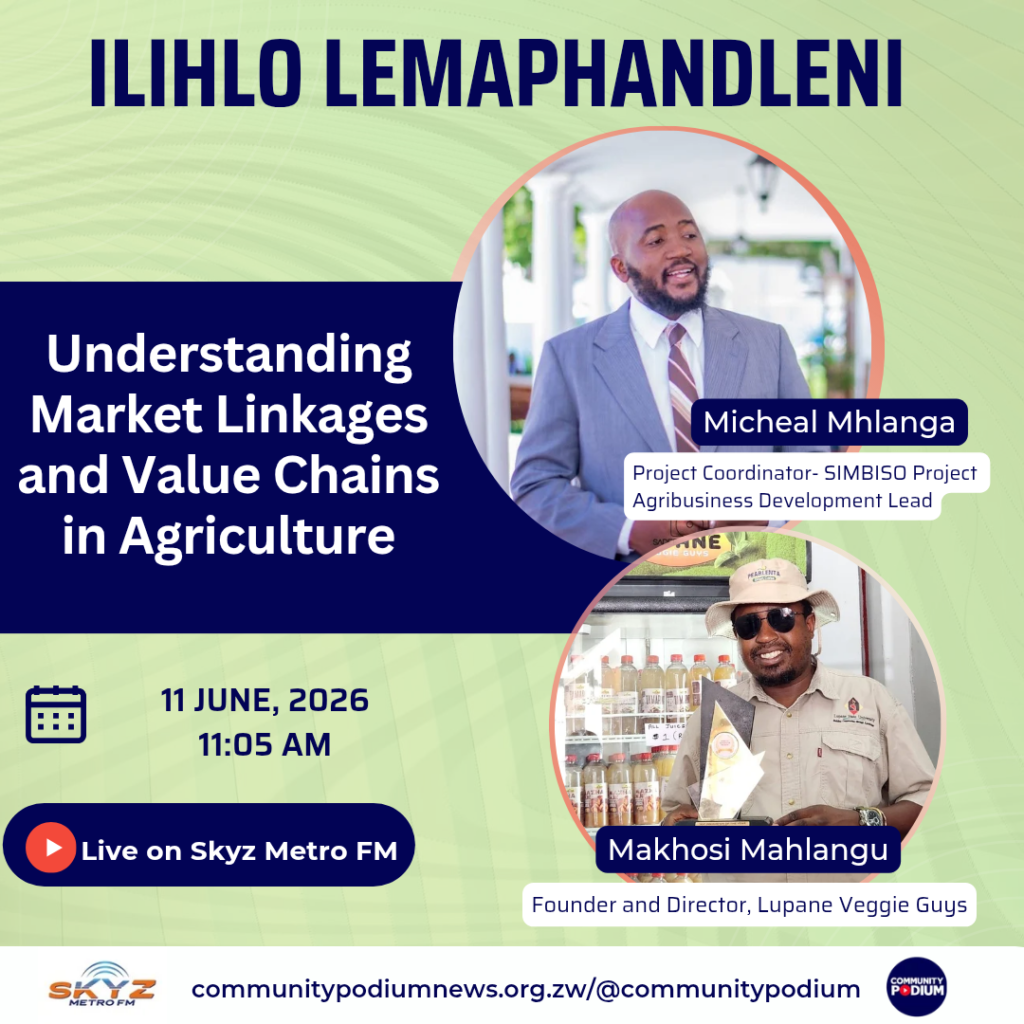
Smallholder farmers are being encouraged to embrace value addition, proper post-harvest management and market-oriented production as a pathway to sustainable incomes, following ongoing support from HOCIC and Lupane Veggie Guys.
The two organisations are jointly working with farmers to strengthen their understanding of agricultural value chains and improve access to reliable markets, helping them maximise profits from their produce.
Speaking during a radio program, Ilihlo lemaphandleni, hosted by Community Podium on Skyz Metro, Lupane Veggie Guys founder Makhosi Mahlangu, said many farmers lose opportunities to earn more because they sell raw products without adding value.
“Our main aim as Lupane Veggie Guys is to assist farmers with the necessary information on how to add value to their products so that they can have a competitive advantage on the market,” said Mahlangu.
“This helps them to sell their products at a better value. We have local markets such as Fifth Avenue where farmers can sell their products. All they need to do is monitor quality and, where necessary, add value by improving the product or packaging it better.”
Mahlangu said local markets present significant opportunities for farmers who can consistently produce quality products that meet consumer expectations.
“We have potential local markets where farmers can secure stable, reliable and well-paying opportunities if they produce high-quality products. Focusing on exports can be challenging because of the strict requirements and processes involved in penetrating international markets,” he said.
District Agribusiness Development Coordinator for HOCIC, Michael Mhlanga, said the organisation supports farmers throughout the production cycle, beginning with selecting suitable crops and seed varieties.
“As HOCIC, we hand-hold farmers from the stage where they have to select which seeds to grow for specific crops based on their weather conditions and soil types,” said Mhlanga.
He said one of the critical areas of support is post-harvest management, which helps farmers minimise losses and improve food security.
“We help them with information on post-harvest management. This enables them to properly manage crops set aside for family consumption and those reserved for the market. Without adequate knowledge, most farmers lose a substantial amount of their produce due to poor management,” he said.
Beyond production, HOCIC also assists farmers in understanding market demands and pricing structures.
“After their crops have grown, we help them assess what the market wants, what is in demand, the quality that is marketable and the prices at which products are sold. Sometimes a farmer may have a good product, but limited knowledge affects their business because some people may take advantage of them,” Mhlanga added.
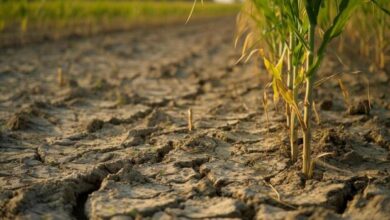
He encouraged farmers to consider climate-resilient crops such as small grains, which require less water and mature faster than some conventional crops.
Mhlanga also stressed the importance of understanding the requirements of different markets, including local markets and supermarkets.
“If farmers want to sell at local markets in the CBD or supply supermarkets, they should understand the differences between these markets, including the quantities required and the need to provide a consistent supply over time,” he said.
Community Podium is the recipient of the 2025 Outstanding NGO Reporting Award. This reflects our dedication to amplifying community voices and advancing public-interest journalism.