Byo Blues: residents cry foul over city’s neglect
Thembelihle Mhlanga
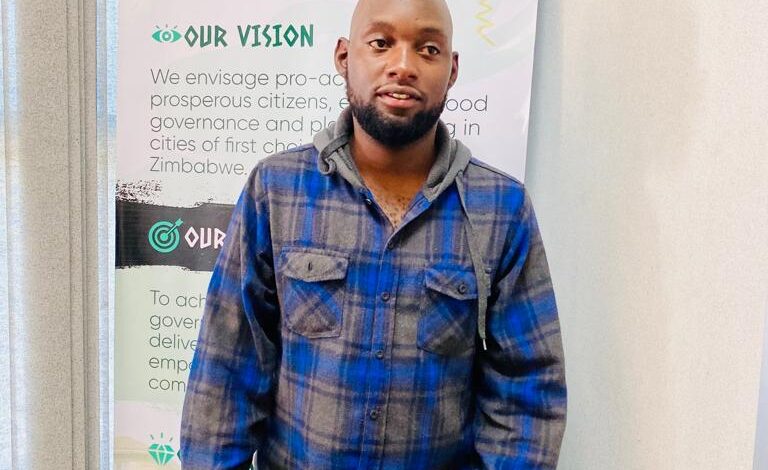
The simmering discontent in Bulawayo boiled over in midweek at an online forum, exposing raw nerves over service delivery failures. The meeting, hosted by Community Podium, saw frustrated residents trade barbs with Luckson Mafu, spokesperson for the Bulawayo Progressive Residents Association (BPRA), painting a picture of a city teetering on the brink.
Clean water, a basic human right, has become a luxury in Bulawayo. “We spend hours at boreholes, or pay extortionate prices to water vendors,” lamented Thabani Moyo, his voice echoing the collective groan of the city. Water cuts, a grim reality for years, expose residents to hygiene and sanitation woes, breeding disease and fear. Yet, the Bulawayo City Council (BCC) seems deaf to their pleas, offering no answers, no plans, no hope.
Another resident, struck a deeper chord, alleging ethnic and political bias in resource allocation. “The BCC plays favourites,” he declared, accusing the council of neglecting certain groups while showering others with opportunities. This, he believes, has sown division and distrust, fracturing the city’s unity.
Mafu urged residents to hold the BCC accountable. “We must demand transparency in budgeting,” he said, calling for inclusive consultations and regular updates on service delivery. He acknowledged the economic hardship, urging residents to pay their dues while pressuring the BCC for fairer tariffs and flexible payment plans.
But for many, the BCC’s response has been a slap in the face. “They ignore our complaints. Water projects? We hear nothing! We deserve better,” said Moyo. His cry resonated with others, demanding the BCC respect their basic human right to clean water and sanitation.
The meeting ended with a flicker of hope. Residents called for action and vowed to hold the BCC accountable, demanding their fair share of the city’s resources.